
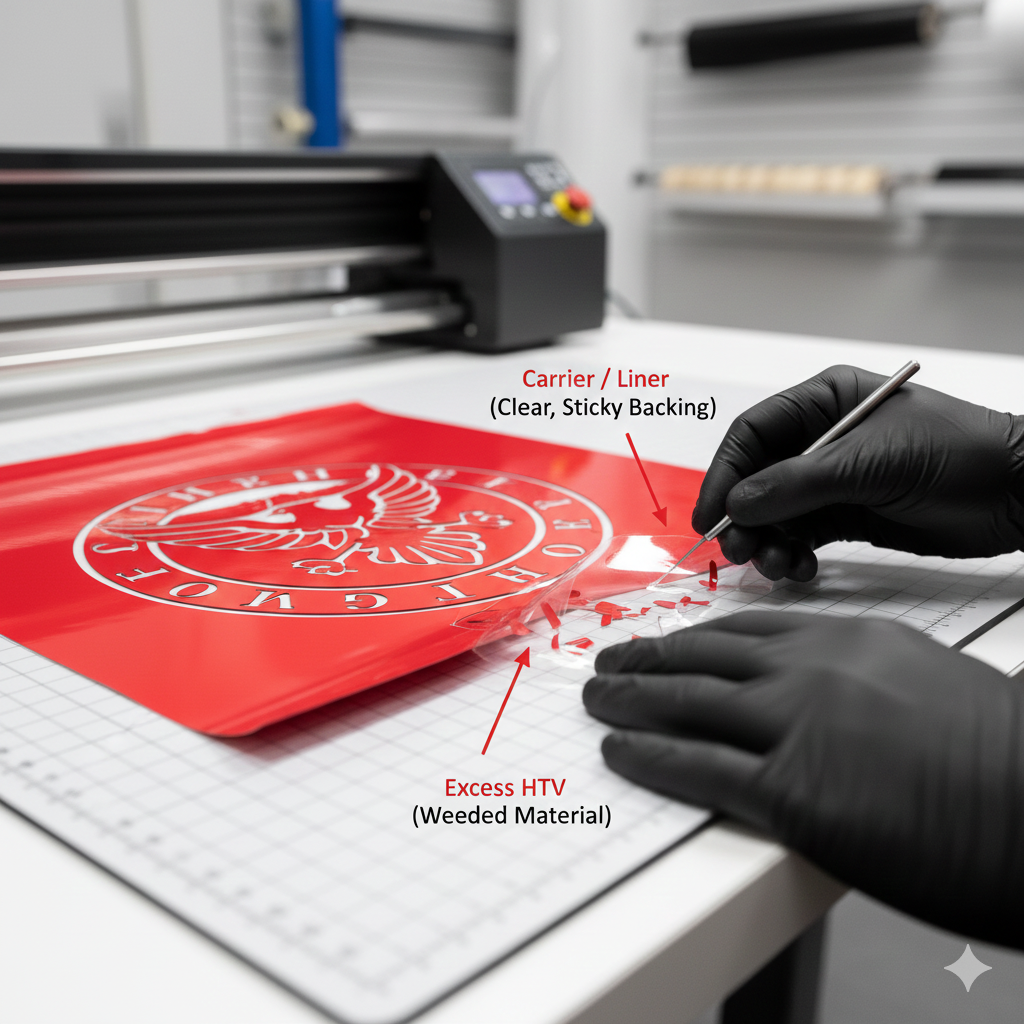
A Carrier, also commonly referred to as a liner or backing, is the temporary support layer (made of polyester film or silicone-coated paper) that holds a heat transfer material—such as flex film or HTV—in place during the printing and cutting processes. Once the design is heat-pressed onto the final substrate, the carrier is peeled away and discarded.
Read more
Why It Matters: Impact and Use
The carrier is the unsung hero of the garment decoration workflow. Understanding its technical properties is vital for achieving high-level production.
- Workflow Efficiency: The carrier allows for “pre-alignment.” Because most carriers are transparent, you can see exactly where the design will land on the garment before you commit to the press.
- Design Integrity: The carrier holds all individual pieces of a weeded design (like the dots on the letter “i”) in their exact relative positions. Without a carrier, you would have to manually place every single element of a logo onto the shirt.
- Cutting Accuracy: In Heat Transfer Vinyl (HTV), you cut the “media” layer but leave the “carrier” intact. This is known as a “kiss cut.” The carrier must be durable enough to resist the blade while being flexible enough to feed through a plotter.
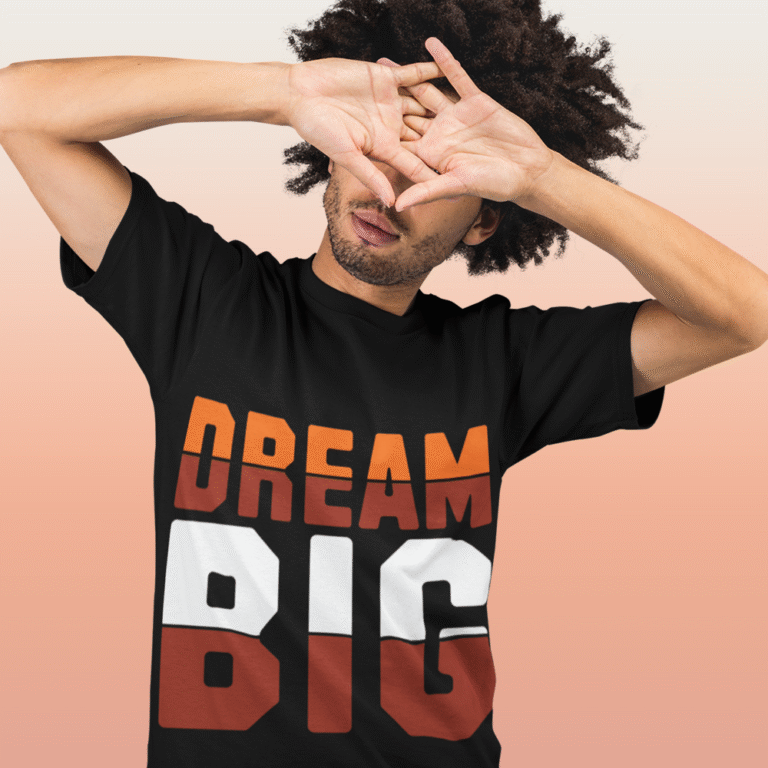
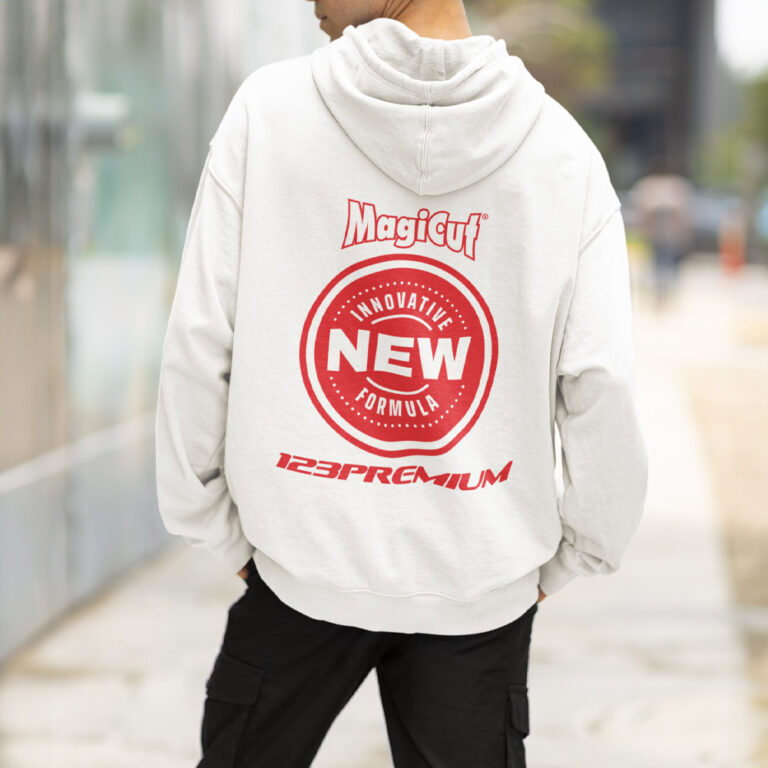
Different carriers HTV’s


Technical Types: Pressure Sensitive vs. Static
The choice of carrier significantly impacts your weeding speed and ability to fix mistakes:
| Carrier Type | Characteristics | Best Use Case |
| Pressure Sensitive | Features a “sticky” adhesive backing. | Small, intricate designs. If you accidentally weed away a tiny detail, the stickiness allows you to “stick it back” onto the carrier. |
| Static | Smooth, non-sticky backing. | High-volume production. Designs weed much faster because there is no adhesive resistance, but you cannot “re-stick” pieces if they are pulled off by mistake. |
Application Tip: The “Mirroring” Rule
When using media with a carrier (like flex film), you must mirror your design in the software. You cut through the backside of the vinyl; the carrier side stays face down on the cutter mat and then face up on the heat press.
Frequently Asked Questions
What is a carrier in heat transfer printing?
A carrier is the plastic or paper backing that holds your design in place after it has been cut and weeded. It allows you to transfer the entire design to the heat press in one piece.
What is the difference between a sticky and a static carrier?
A sticky (pressure-sensitive) carrier helps hold fine details in place and allows for errors to be corrected during weeding. A static carrier is non-sticky and allows for faster weeding on larger, simpler designs.
Which side of the vinyl goes down on the cutter?
The carrier side (usually the shiny side) should always be placed face down on the cutter. You are cutting through the adhesive/vinyl layer, not the carrier itself.
 4.7
4.7