
A Cutting Plotter is a computer-controlled hardware device that uses a small, highly precise blade to cut out shapes, letters, and intricate designs from various thin materials, such as vinyl, flex foil, or paper. Unlike a traditional printer that applies ink to a surface, a plotter moves the blade (or the media) across an X and Y axis to physically carve into the material while leaving the carrier sheet (backing) intact.
Read more
Why It Matters: Impact and Use
For any professional in the signage or custom apparel industry, the cutting plotter is the workhorse of production. Its precision and reliability are direct indicators in the field of digital fabrication.
- Cost Efficiency: By using a plotter to cut designs from bulk rolls of solid-colored foil, businesses can produce high-durability items with lower material costs compared to full-color digital printing.
- Precision Weeding: High-quality plotters allow for “micro-cutting,” which is essential for complex logos and small typography. The accuracy of the blade ensures that the “weeding” process (removing excess material) is smooth and does not lift the intended design.
- Versatility of Media: A single plotter can process a vast range of products, including Heat Transfer Vinyl (HTV) for garments, self-adhesive vinyl for window decals, reflective films for safety gear, and even sandblast resists for stonework.
- Print & Cut Integration: Many modern plotters feature an optical eye or sensor. This allows the machine to “read” registration marks printed by an inkjet or laser printer, enabling it to perfectly contour-cut around a printed image—a technical process known as Indexing.

Some Cutting Plotters (Vinyl Cutters)
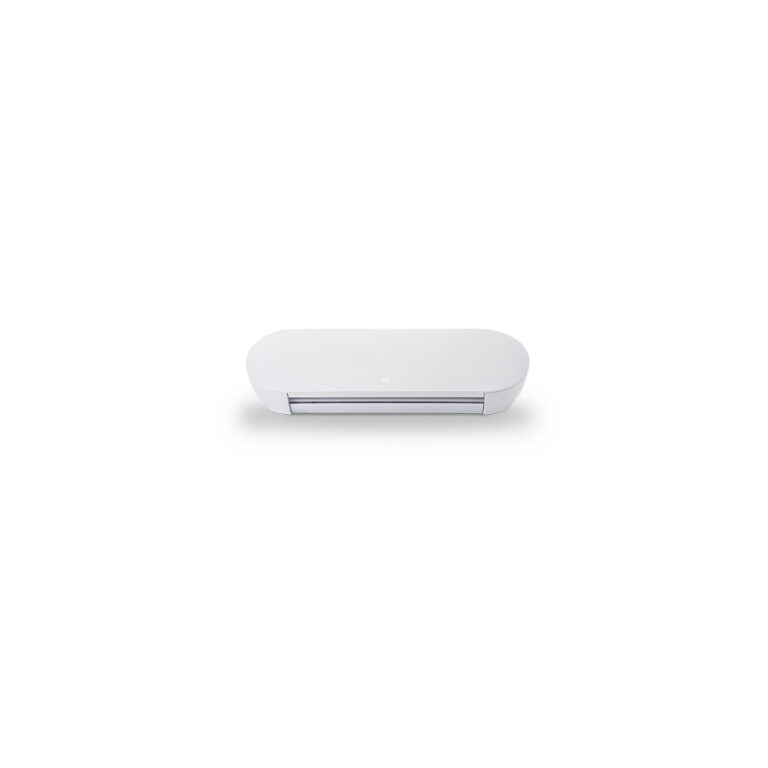
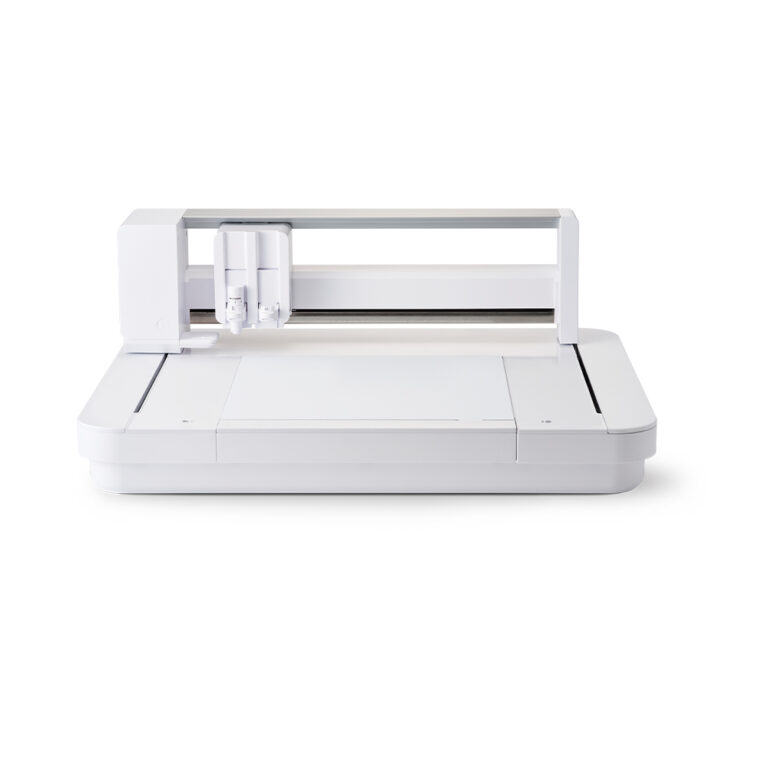
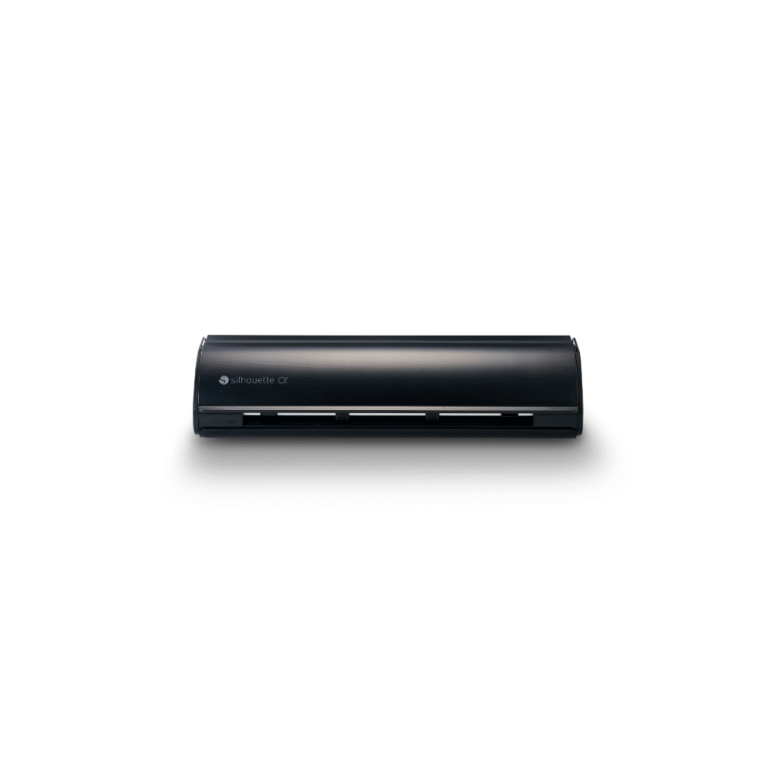
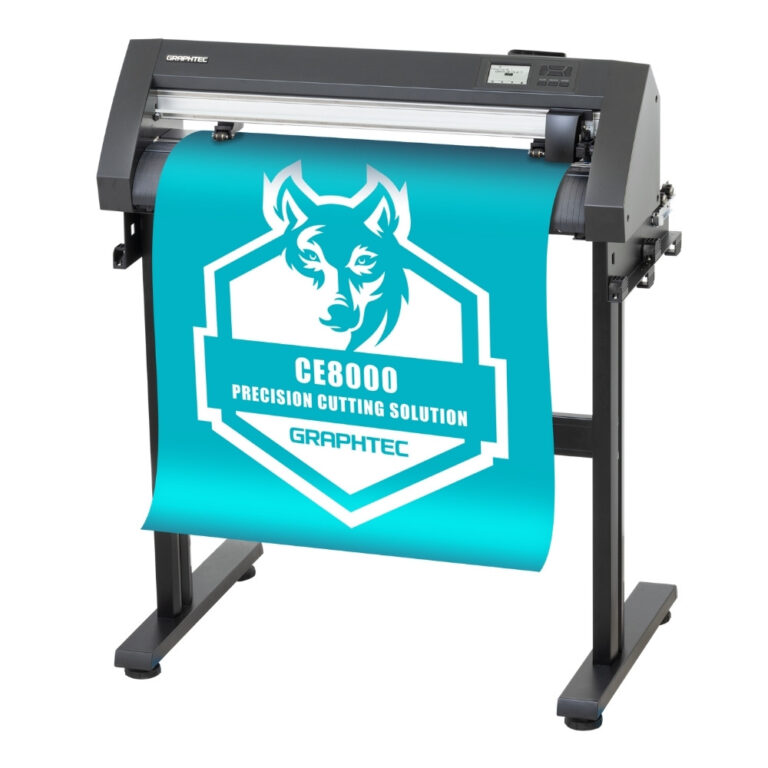
Technical Components of a Cutting Plotter
| Component | Technical Function | Maintenance Tip |
| Swivel Blade | The “knife” that rotates to follow the vector path. | Replace regularly; a dull blade causes “snagging” and jagged edges. |
| Pinch Rollers | Rubber wheels that hold and move the media. | Keep clean of adhesive residue to prevent tracking errors. |
| Optical Sensor | Detects registration marks for contour cutting. | Ensure the sensor is dust-free for accurate indexing. |
| Cutting Strip | The Teflon strip under the blade path. | Replace if it becomes deeply grooved to ensure consistent cut depth. |
Frequently Asked Questions
What is the difference between a printer and a cutting plotter?
A printer applies pigment or ink to a surface to create an image. A cutting plotter uses a physical blade to cut shapes out of a material. While some machines are ‘Print & Cut’ hybrids, a standalone plotter only cuts.
Can a cutting plotter cut through the backing paper?
In a standard ‘Kiss Cut’ setup, the plotter is adjusted to cut only through the top vinyl layer, leaving the carrier (backing) intact. However, many plotters can perform a ‘Die Cut’ or ‘Perf Cut’ that goes all the way through the backing for individual stickers.
What software do I need for a cutting plotter?
Plotters require vector-based software (such as Adobe Illustrator, CorelDRAW, or specialized programs like Graphtec Studio 2 or Silhouette Studio) to send mathematical paths for the blade to follow.
 4.7
4.7