
A Cutting Strip is a replaceable, narrow band of durable, semi-soft plastic or Teflon located on the bed of a cutting plotter, directly beneath the path of the cutting blade. Its primary function is to provide a consistent, level surface for the blade to glide over and to act as a protective buffer in the event of a “die-cut” or incorrect depth setting.
Read more
Why It Matters: Impact and Use
Maintaining a pristine cutting strip is a fundamental technical requirement for high-quality production. In the world of professional signage, a damaged strip is the leading cause of “ghost” cuts and jagged edges, directly impacting your E-E-A-T (Expertise, Authoritativeness, and Trustworthiness) as a manufacturer.
Cost-Effective Maintenance: Instead of replacing expensive plotter heads or the machine itself, the cutting strip is a low-cost consumable. Regularly replacing a worn strip is a hallmark of a well-maintained production environment.
Blade Protection: The strip is designed to be softer than the tungsten steel of the plotter blade. If the blade pressure is set too high and it penetrates the carrier sheet, it will cut into the strip rather than hitting the metal frame of the plotter, preventing the blade from chipping or dulling instantly.
Cut Consistency: Over time, if a plotter is frequently used for “Perf-cutting” (cutting all the way through), the strip can develop deep grooves or “scars.” These uneven areas cause the blade to dip or skip, resulting in sections of your design that aren’t fully cut, making weeding difficult and increasing waste.
Precision and Indexing: A flat, smooth cutting strip ensures that the blade depth remains uniform across the entire width of the machine. This is critical for Indexing and complex contour cutting where even a fraction of a millimeter in depth deviation can ruin a transfer.
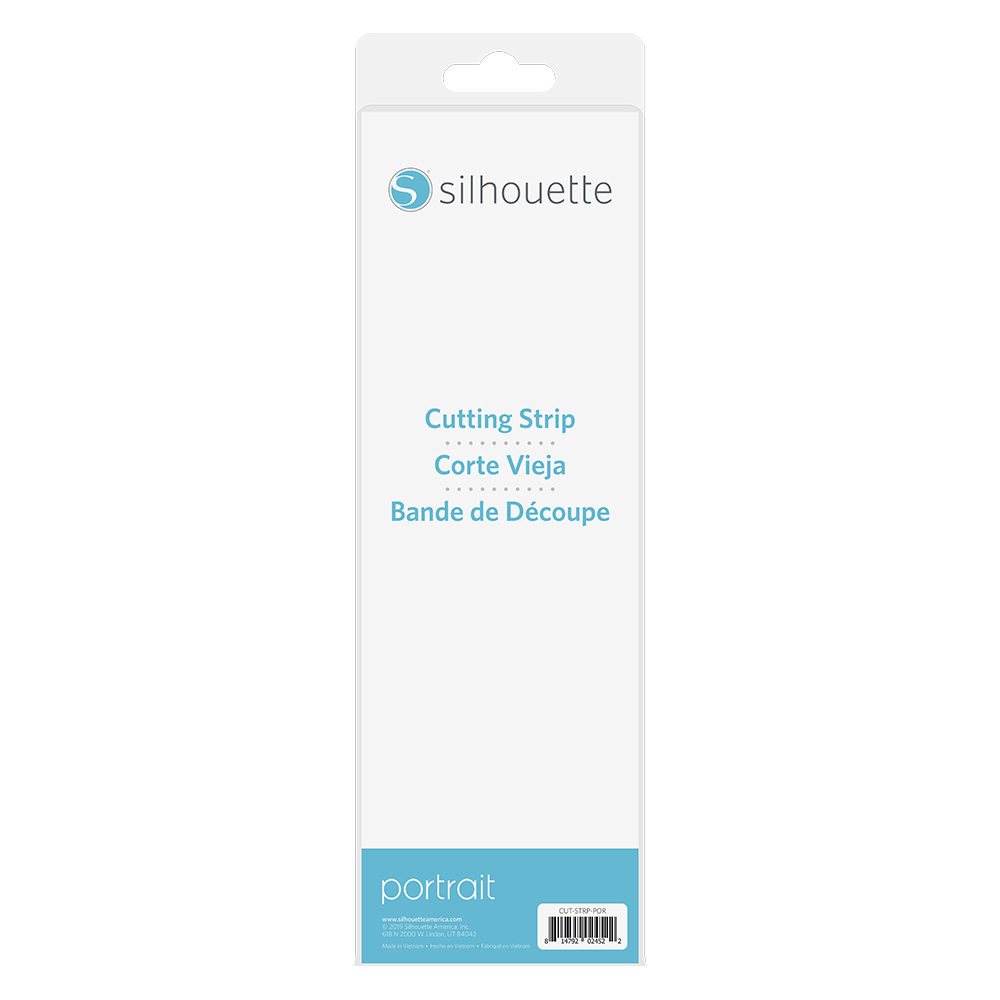
Signs Your Cutting Strip Needs Replacement
| Symptom | Technical Cause | Result |
| Jagged Edges | The blade is catching in an old groove in the strip. | Poor quality finish; client rejection. |
| Inconsistent Weeding | The blade depth varies as it passes over worn areas. | Increased labor time and material waste. |
| Frequent Blade Breaks | The strip is so worn that the blade is hitting the metal bed. | High consumable costs and downtime. |
Frequently Asked Questions
What does a cutting strip do on a plotter?
The cutting strip acts as a protective cushion under the blade. It allows the blade to cut through media without hitting the metal frame of the plotter, protecting the blade’s sharpness and the machine’s longevity.
How often should I replace my cutting strip?
You should replace the strip whenever you notice deep grooves, visible ‘scars,’ or if you begin experiencing inconsistent cutting depths. For high-volume shops, this is typically every 6 to 12 months.
Can I flip my cutting strip over to use the other side?
Most cutting strips are adhesive-backed on one side and cannot be flipped. However, they are inexpensive and easy to replace by peeling off the old one and applying the new strip to the cleaned channel.
 4.7
4.7