
Flex Foil, commonly known as Heat Transfer Vinyl (HTV), is a polyurethane (PU) or PVC-based material featuring a heat-activated adhesive. It is mounted on a clear, heat-resistant PET carrier (backing). The material is designed to be cut with a digital plotter, weeded to remove excess material, and fused onto textiles using a heat press.
Read more
Why It Matters: Impact and Use
Flex Foil is the industry standard for single-color lettering, numbering, and logos. Its reliability and professional finish make it a staple for businesses demonstrating E-E-A-T (Expertise, Authoritativeness, and Trustworthiness) in teamwear and corporate apparel.
- Versatility: Flex foil is compatible with a vast array of fabrics, including cotton, polyester, leather, and even some treated nylon, provided the correct adhesive chemistry is chosen.
- Durability & Washability: High-quality flex foils, such as those from the MagiCut range, are engineered to withstand high-temperature washes and repeated stretching without cracking or peeling, outlasting many screen-printed alternatives.
- Precision Cutting: Because the material is mounted on a stable PET liner, cutting plotters can execute incredibly intricate designs. The “kiss-cut” technique—cutting the foil but not the liner—is essential for maintaining the alignment of complex graphics.
- Specialty Aesthetics: Beyond standard matte colors, flex foil offers textures and finishes that ink cannot replicate.
- 3D & Textured: Flocked, holographic, and “brick” (thick) foils add physical dimension.
- Metallic & Glitter: Soft metallics and glitter foils provide high-impact visual appeal for fashion and spirit wear.

Different Flex Foils
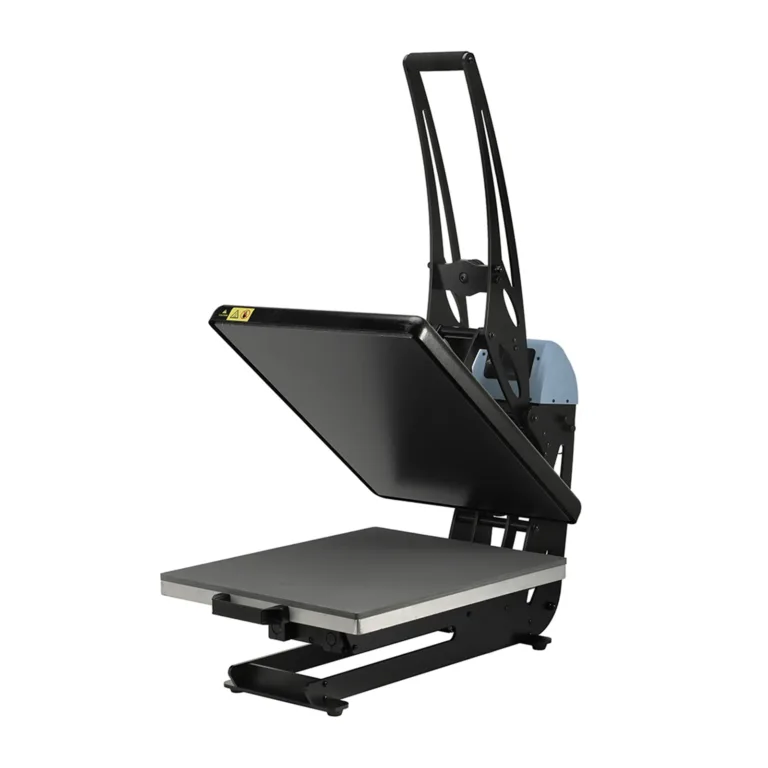
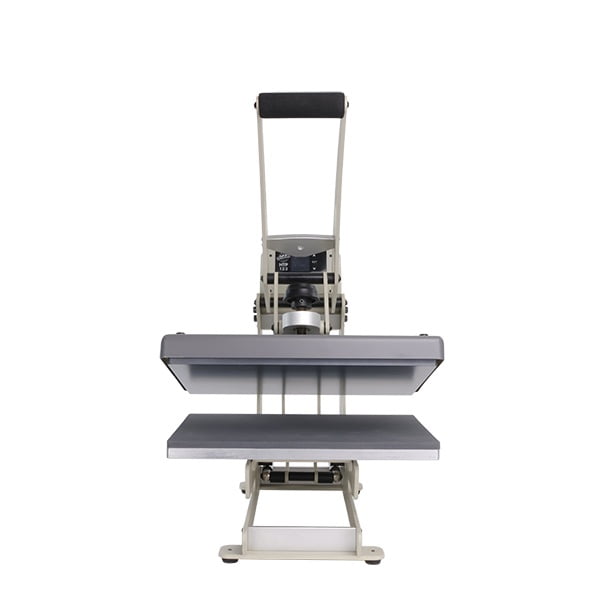
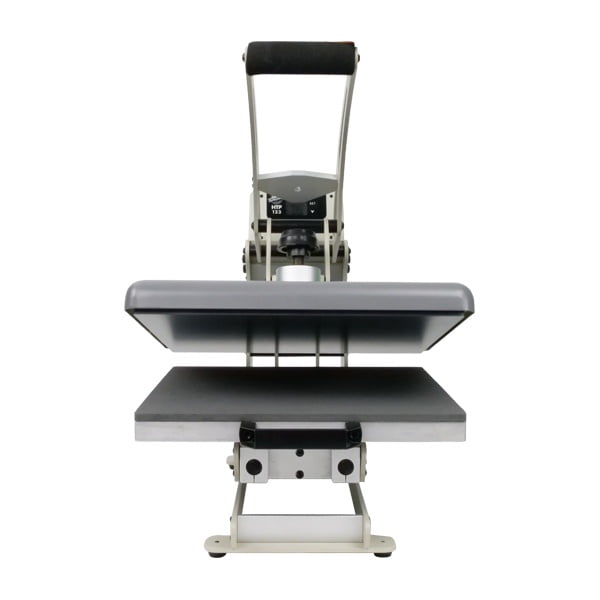
Technical Workflow: The “Kiss-Cut” Method
| Phase | Action | Technical Requirement |
| 1. Design | Mirror Imaging | Design must be flipped horizontally as it is cut from the “back.” |
| 2. Cut | Kiss-Cutting | Blade pressure must be set to penetrate the foil but leave the PET liner intact. |
| 3. Weed | Stripping | Manually removing the “negative” space (excess foil) from the carrier. |
| 4. Press | Heat Application | Specific temperature (typically 150°C – 160°C) and pressure to activate the bond. |
Frequently Asked Questions
What is the difference between Flex Foil and Flock Foil?
Flex Foil is smooth and thin, providing a sleek, athletic finish. Flock Foil has a raised, velvet-like ‘fuzzy’ texture, which is thicker and adds a premium, tactile feel to garments.
Do I need to mirror my design when using Flex Foil?
Yes. Because you are cutting through the adhesive side of the foil (the back), the design must be mirrored in your cutting software so that it appears correctly when flipped over and pressed onto the garment.
Why is my Flex Foil peeling off after the first wash?
Peeling is usually caused by insufficient pressure, incorrect temperature, or a ‘cold peel’ film being pulled while hot. Ensure you follow the specific settings for the brand, such as MagiCut, to guarantee a permanent bond.
 4.7
4.7