
HTV stands for Heat Transfer Vinyl, a polyurethane (PU) or PVC-based material used in garment decoration. It consists of a colored or textured vinyl layer backed with a heat-activated Hotmelt adhesive, all mounted onto a clear, heat-resistant PET carrier (liner). Unlike standard adhesive vinyl, HTV requires both high temperature and specific pressure to bond permanently with fabric fibers.
Read more
Why It Matters: Impact and Use
HTV remains the industry standard for on-demand customization, particularly for single-color logos, sports numbering, and “special effect” designs. For professionals, mastering HTV is a core component of E-E-A-T (Expertise, Authoritativeness, and Trustworthiness), as it offers durability and tactile finishes that digital printing cannot always replicate.
- Production Speed: Unlike screen printing, which requires screens and drying time, HTV is a “dry” process. A custom shirt can be cut, weeded, and pressed in under five minutes, making it ideal for “while-you-wait” retail environments.
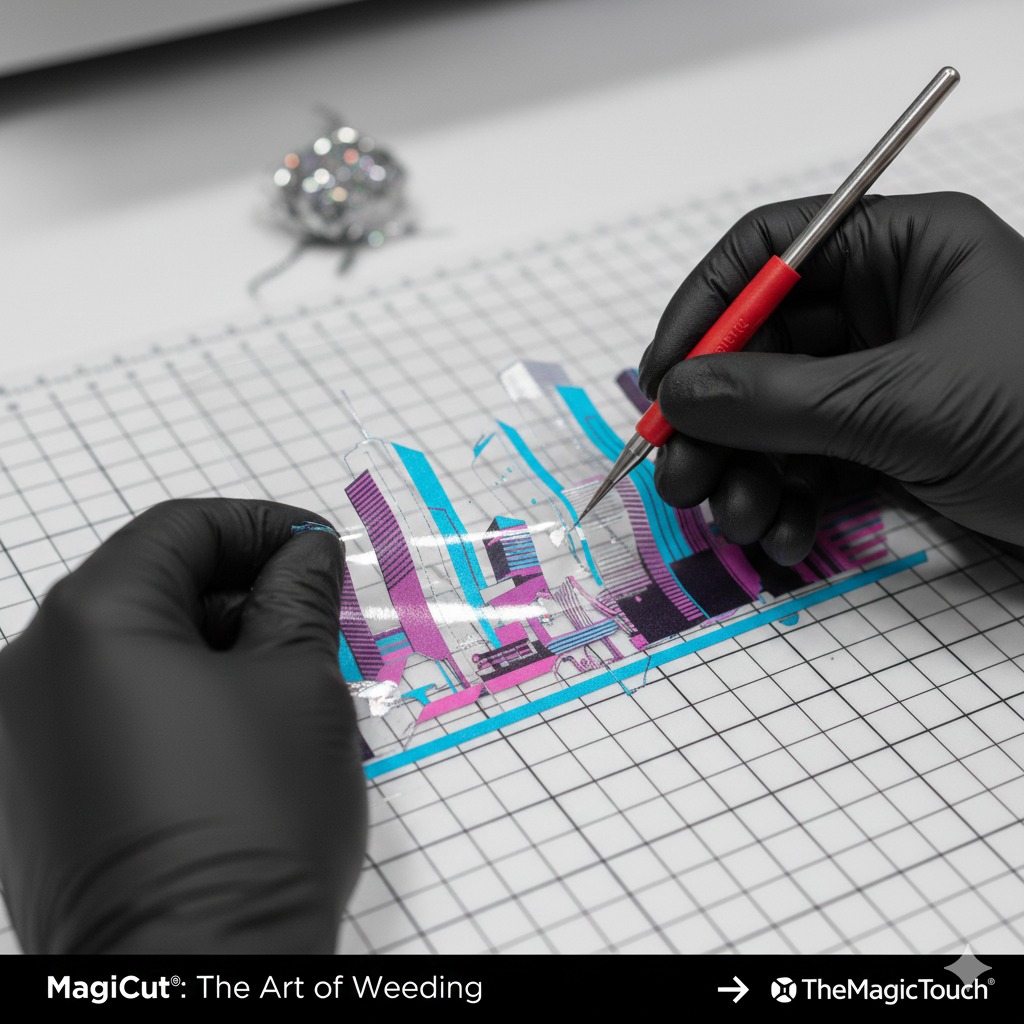
- Precision and Detail: Using a digital Cutting Plotter, intricate designs are “kiss-cut” into the vinyl layer. Because the PET carrier remains intact, the design stays perfectly aligned during the “weeding” process (removing excess vinyl).
- Specialty Finishes: HTV allows for high-impact aesthetics, such as:
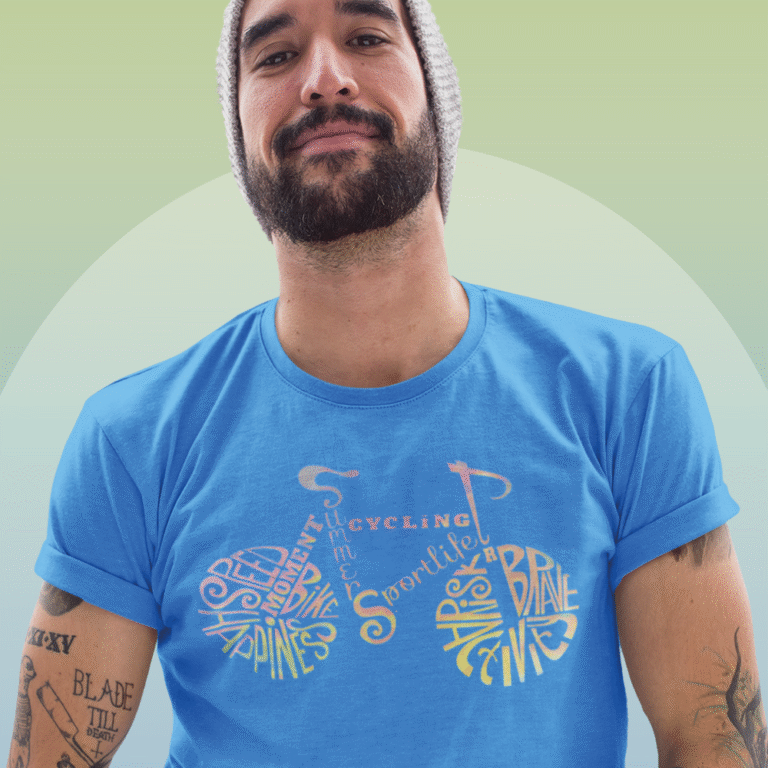
- MagiCut Glitter/Holographic: For high-visibility fashion and cheerleading apparel.
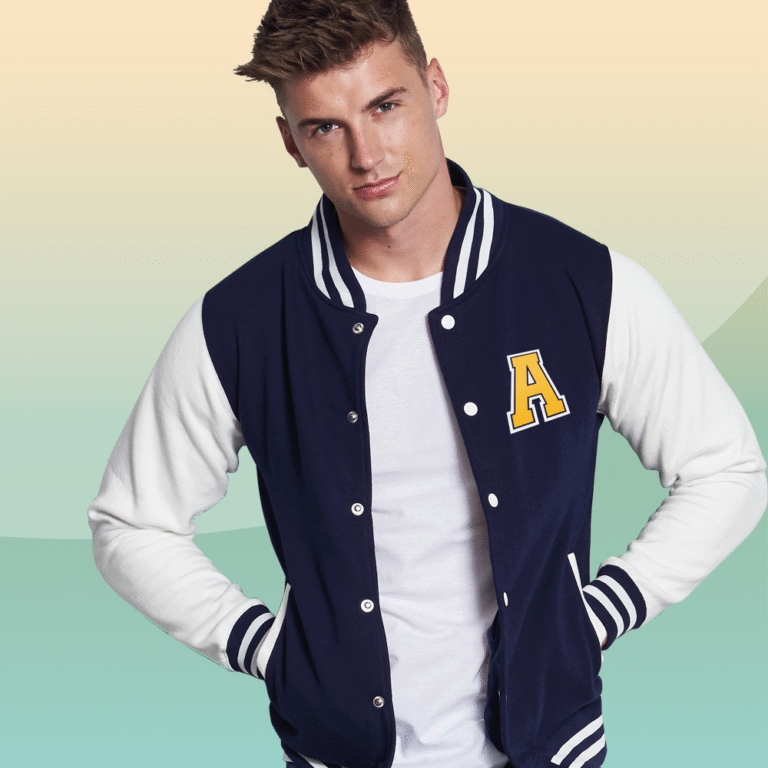
- Flock: For a raised, velvet-like texture on high-end streetwear.
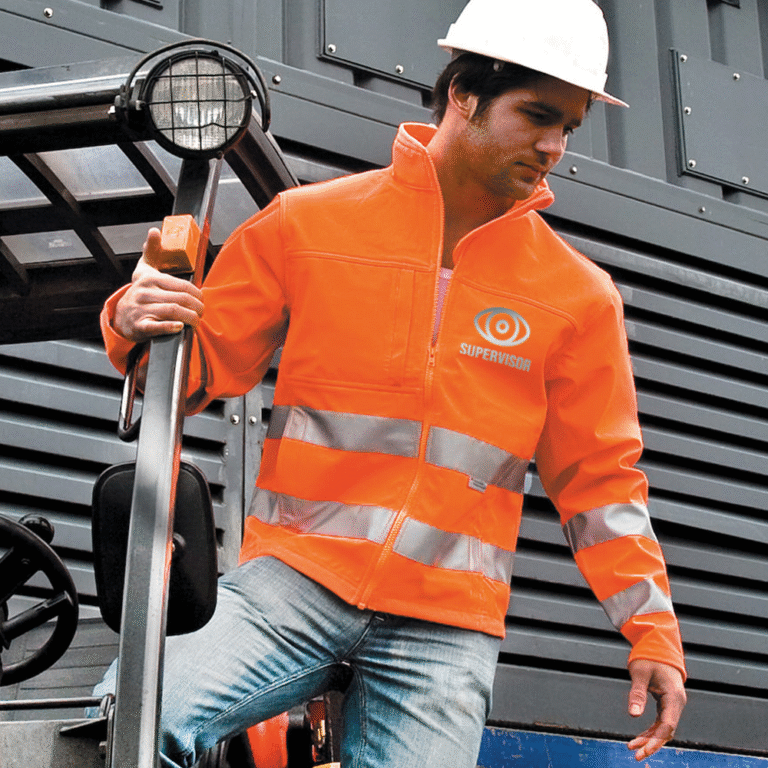
- Reflective: Essential for safety wear and high-visibility branding.
- Industrial Durability: When applied with a professional heat press, high-quality HTV like MagiCut becomes part of the garment. It is engineered to survive 50+ wash cycles without cracking, peeling, or fading.
- Production Speed: Unlike screen printing, which requires screens and drying time, HTV is a “dry” process. A custom shirt can be cut, weeded, and pressed in under five minutes, making it ideal for “while-you-wait” retail environments.
All clamshell Heat Presses

The HTV Workflow: 4 Key Steps
| Stage | Action | Technical Note |
| 1. Mirroring | Flip the design horizontally. | You cut HTV from the back (adhesive side). |
| 2. Cutting | Perform a “Kiss-Cut.” | The blade must cut the vinyl but stop at the PET carrier. |
| 3. Weeding | Remove negative space. | Using a weeding tool, pull away the unwanted vinyl around your logo. |
| 4. Pressing | Heat and Pressure. | Activates the hotmelt to fuse the vinyl into the fabric weave. |
Frequently Asked Questions
What is the difference between HTV and Flex Foil?
There is no functional difference. ‘HTV’ (Heat Transfer Vinyl) is the term commonly used in the United States and globally, while ‘Flex Foil’ is the term frequently used in European markets. Both refer to the same heat-applied material.
Why is my HTV not sticking to the shirt?
This is usually caused by ‘Cold Peeling’ a ‘Hot Peel’ vinyl, or vice-versa. It can also be caused by insufficient pressure or moisture in the fabric. Always pre-press your garment for 2-3 seconds to remove moisture before applying the HTV.
Can I use an iron instead of a heat press for HTV?
While possible for hobby projects, a household iron cannot provide the consistent, high-level pressure (5-6 bar) or the even heat distribution required for professional-grade durability. A heat press is recommended for commercial results.
 4.7
4.7