
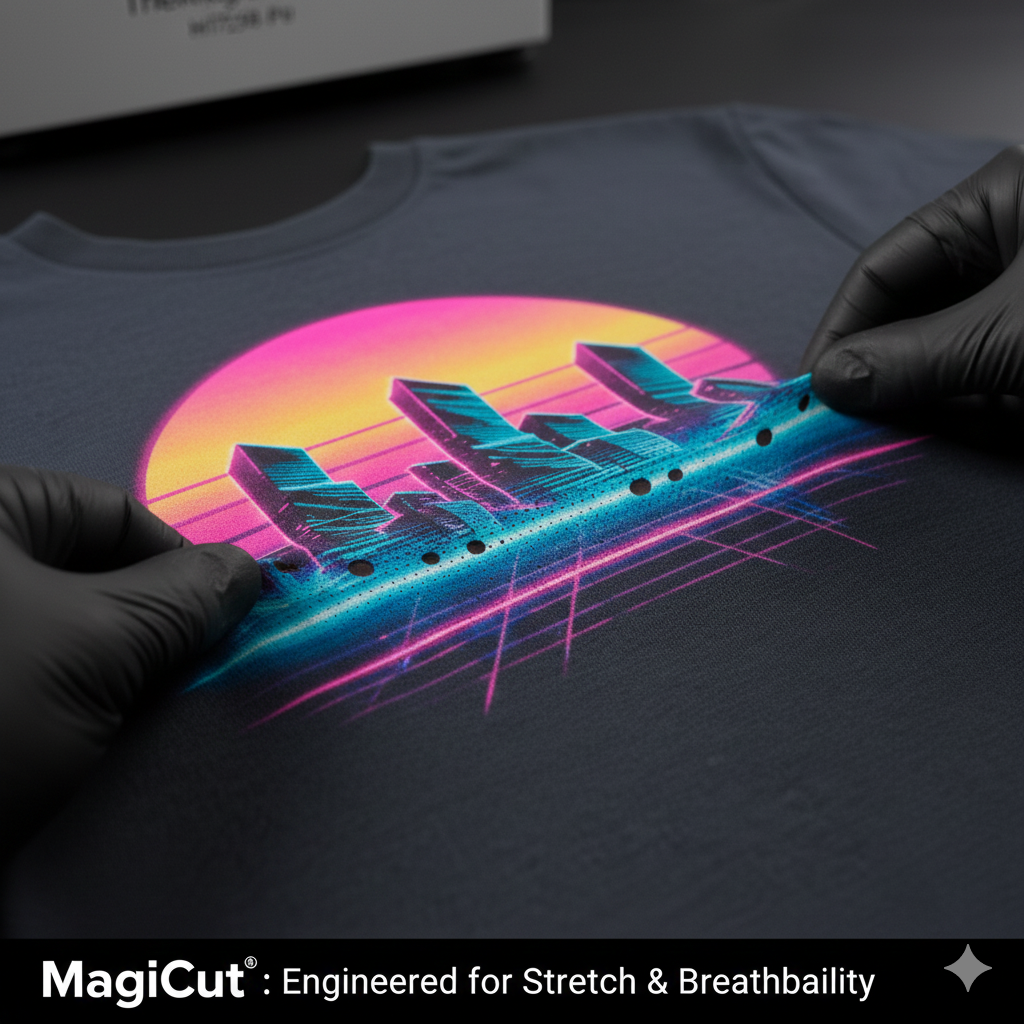
A Mask Print (often referred to in the industry as Rasterization) is a specialized digital printing technique where a solid graphic or photograph is broken down into a pattern of small, repeating shapes—most commonly circles, but also dots, lines, or diamonds. Instead of a solid “block” of ink or toner, the design is “masked” by this pattern, creating a mesh-like structure that allows the underlying fabric to show through.
Read more
Why It Matters: Impact and Use
In professional garment decoration, using a Mask Print is a high-level technical skill that enhances the quality of the finished product. Mastering this technique demonstrates E-E-A-T (Expertise, Authoritativeness, and Trustworthiness) by solving the common issues of “heavy” or “sweaty” transfers.
- Ink & Toner Savings: By removing a percentage of the image (often 20–40% through the mask), decorators can significantly reduce their cost per print.
- Improved “Hand-Feel” and Softness: A solid, large-format transfer can feel like a stiff sheet of plastic on a T-shirt. By masking the print with a circular pattern, the design becomes significantly softer to the touch, as there is less physical mass on the garment.
- Superior Breathability: Because the design is composed of many small shapes with gaps in between, air can flow through the print. This prevents the “sweat patch” effect often associated with large digital transfers.
- Enhanced Stretch and Recovery: Solid transfers can crack when the fabric is pulled. A Mask Print acts like a chain-link fence; the individual dots can move independently, allowing the design to stretch with the fabric without breaking the bond or the image.
- Visual Effects: Masking can be used to create a vintage, “halftone” look, adding an artistic aesthetic to streetwear and high-fashion designs.
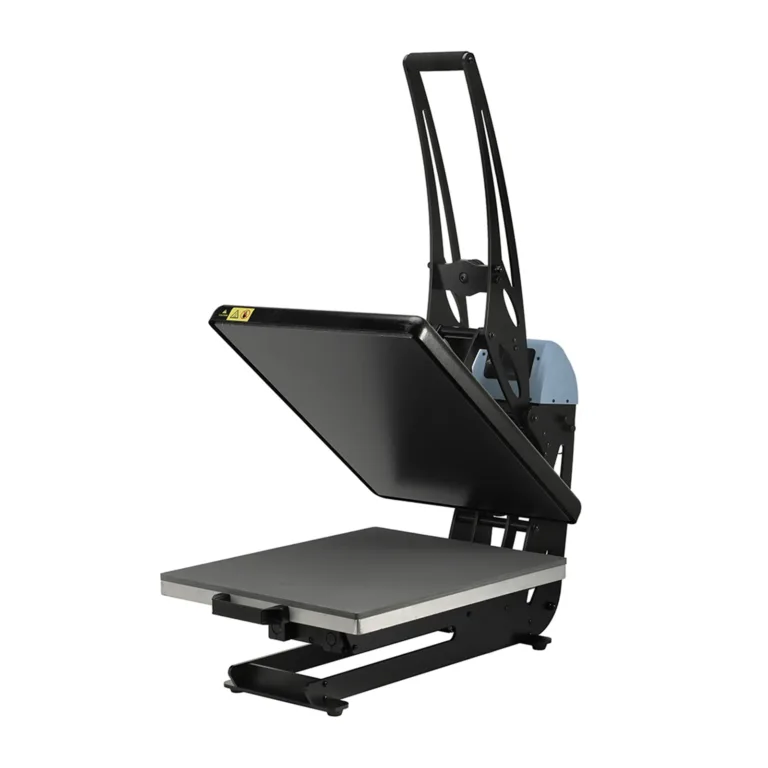
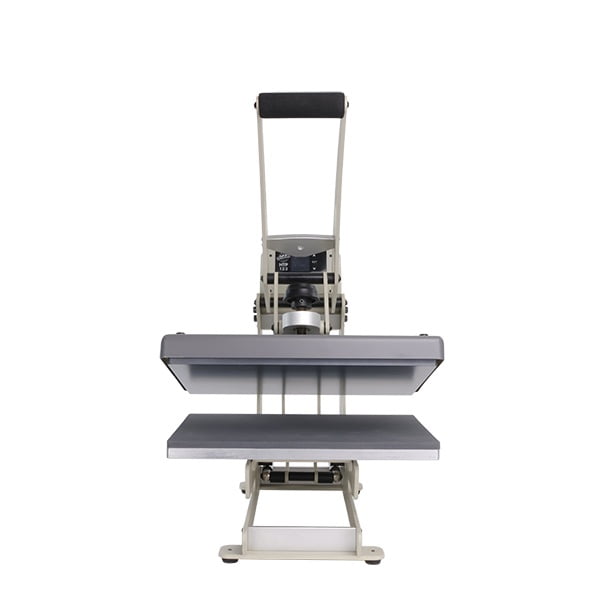
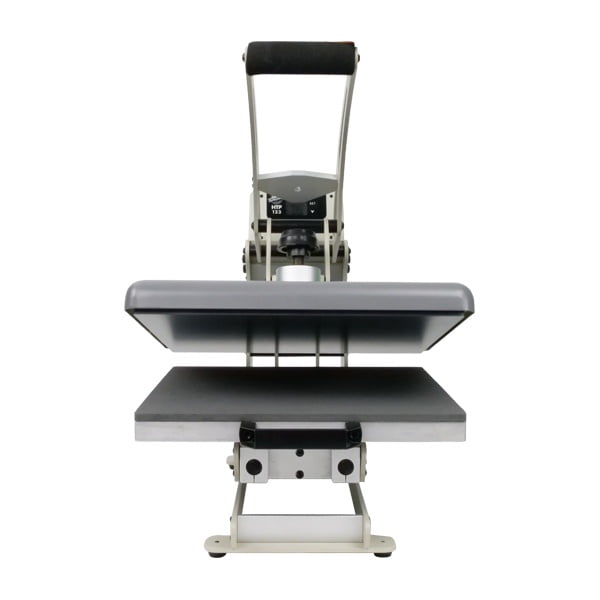
All clamshell Heat Presses
Comparison: Solid vs. Mask Print
| Feature | Solid Transfer | Mask Print (Rasterized) |
| Breathability | Low (Solid barrier) | High (Air passes through gaps) |
| Flexibility | Rigid; prone to cracking | Highly flexible; moves with fabric |
| Durability | High, but can delaminate | High; better mechanical bond |
| Aesthetic | Vibrant, photographic | Textured, soft-focus, vintage |
Frequently Asked Questions
Does a Mask Print make the colors look lighter?
Because you are essentially removing small portions of the ink, the color of the garment may ‘peek’ through. This can make the image look slightly less vibrant on a screen, but on the fabric, it creates a much more integrated and professional look.
What is the best shape for a Mask Print?
Circles (dots) are the industry standard because they provide the most consistent stretch in all directions. However, some designers use lines or diamond patterns to achieve specific artistic textures.
Can I apply a mask to any design?
Masking works best on large, solid areas of color or photographs. It is usually not recommended for very small text or fine lines, as the masking pattern might break the continuity of the letters and make them difficult to read.
 4.7
4.7