
Polyester is a synthetic polymer—most commonly polyethylene terephthalate (PET)—used to create durable, resilient, and versatile textile fibers. It is the most prevalent fabric in the sportswear, fashion, and promotional industries due to its hydrophobic (water-repelling) nature, wrinkle resistance, and high tensile strength. In the printing world, polyester serves as the essential chemical host for the Dye Sublimation process.
Read more
Why It Matters: Impact and Use
For garment decorators, polyester is more than just a fabric; it is a high-performance substrate that enables permanent, high-definition branding.
- Thermal Stability: Polyester is engineered to withstand the high heat required for transfer printing (up to 210°C) without melting, provided the dwell time is monitored. This makes it a safer and more predictable medium for heat press operators than heat-sensitive synthetics like nylon.
- The Engine of Sublimation: Sublimation printing requires polyester. When heated to approximately 190°C–200°C, the molecular structure of polyester fibers “opens” up. Simultaneously, sublimation ink turns into a gas and penetrates these open pores. As the fabric cools, the pores close, trapping the dye inside the fiber. This results in a “zero-feel” print that will never crack, peel, or wash out.
- Durability & Performance: Unlike cotton, polyester is highly resistant to shrinking and stretching. Its quick-drying properties make it the standard for Softshell jackets and athletic “wicking” shirts.
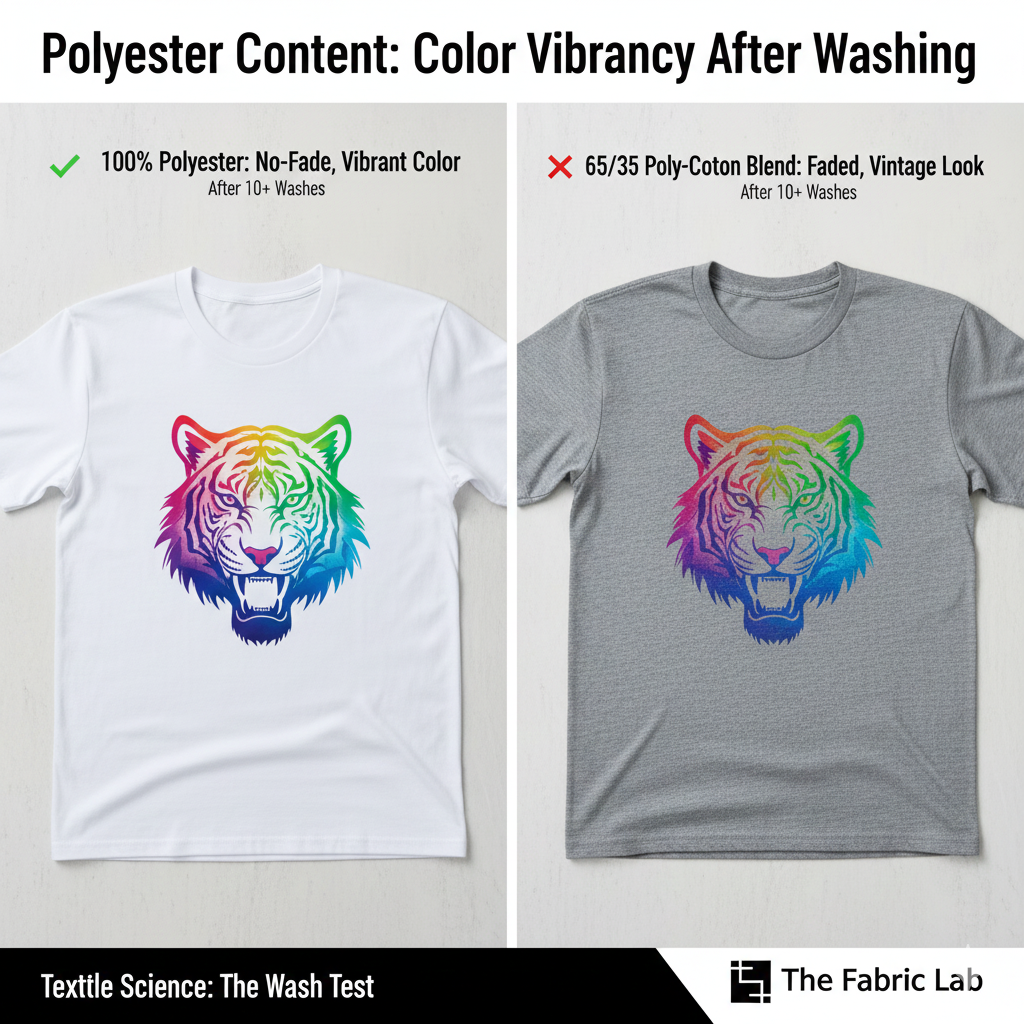
- The “Blended Fabric” Limit: While 100% polyester yields the most vibrant colors, many decorators use Polycotton blends. However, because the dye only bonds to the polyester strands, a 65/35 blend will result in a slightly “vintage” or faded look, as the cotton fibers will not hold the sublimation gas.
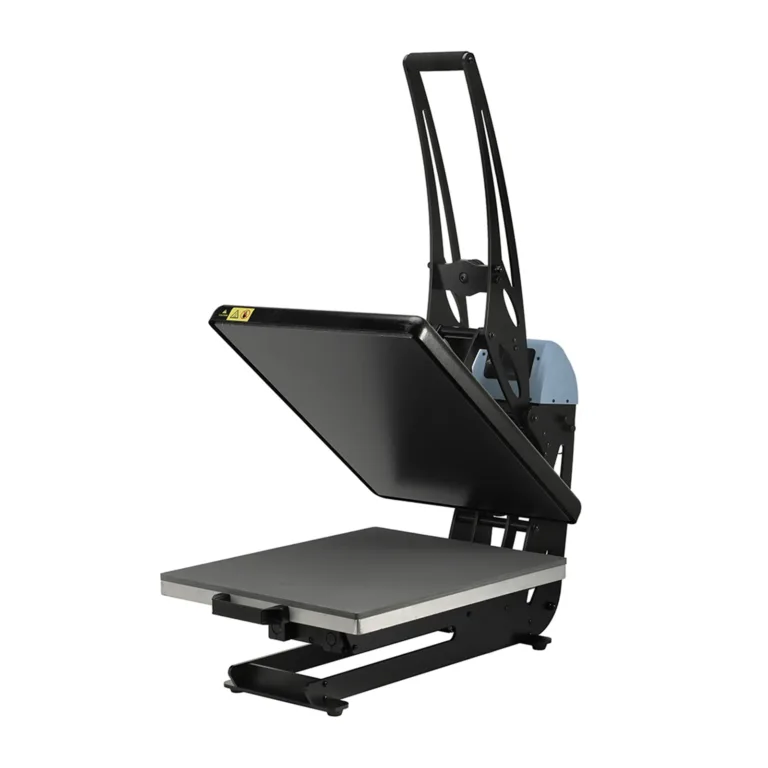
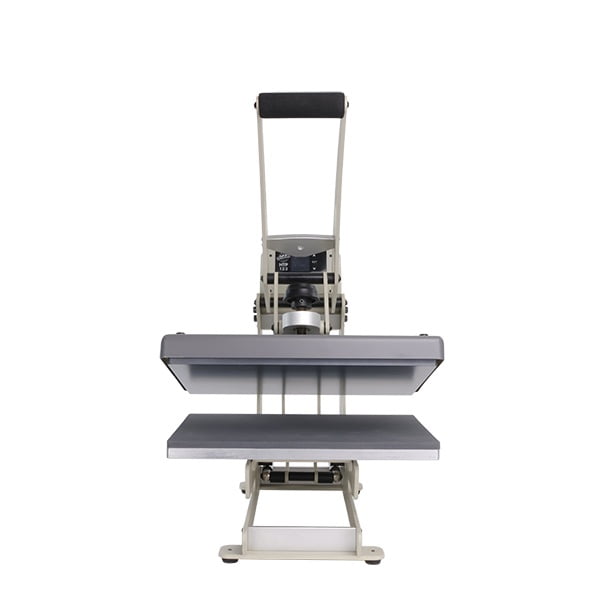
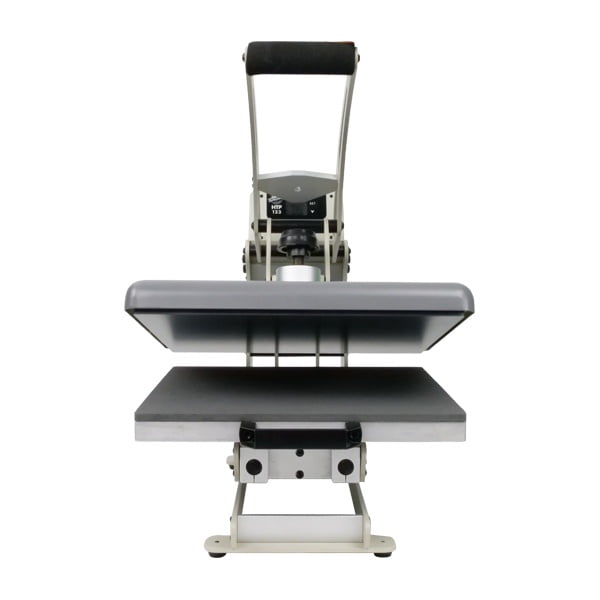
All clamshell Heat Presses
Sublimation Quality by Fabric Composition
| Polyester Content | Result Quality | Visual Outcome |
| 100% Polyester | Maximum | Vivid, razor-sharp colors; permanent. |
| 80% Polyester | High | Slightly softened colors; very durable. |
| 65% Polyester | Standard | “Vintage” or heathered look; acceptable for most. |
| 50% Polyester | Minimum | Faded appearance; significant color loss after washing. |
| 0% (100% Cotton) | Failure | Ink will wash away completely in the first cycle. |
Frequently Asked Questions
Why can’t I sublimate on 100% cotton?
Sublimation ink is a ‘disperse dye’ that only bonds with polymers like polyester. Cotton is a natural cellulose fiber and lacks the molecular pores that open under heat to trap the gas. To print on cotton, you must use DTF, DTG, or Transfer Paper instead.
Does polyester melt in a heat press?
Polyester has a melting point of approximately 250°C. Since most heat transfer processes occur between 150°C and 200°C, the fabric is safe. However, excessive pressure or time can cause ‘press marks’ or scorching on low-quality polyester.
What is the best way to print on dark polyester?
For dark fabrics, you should use Direct To Film (DTF) or a specialized opaque transfer paper like TheMagicTouch WOW Dark, which uses a white toner base.
 4.7
4.7