
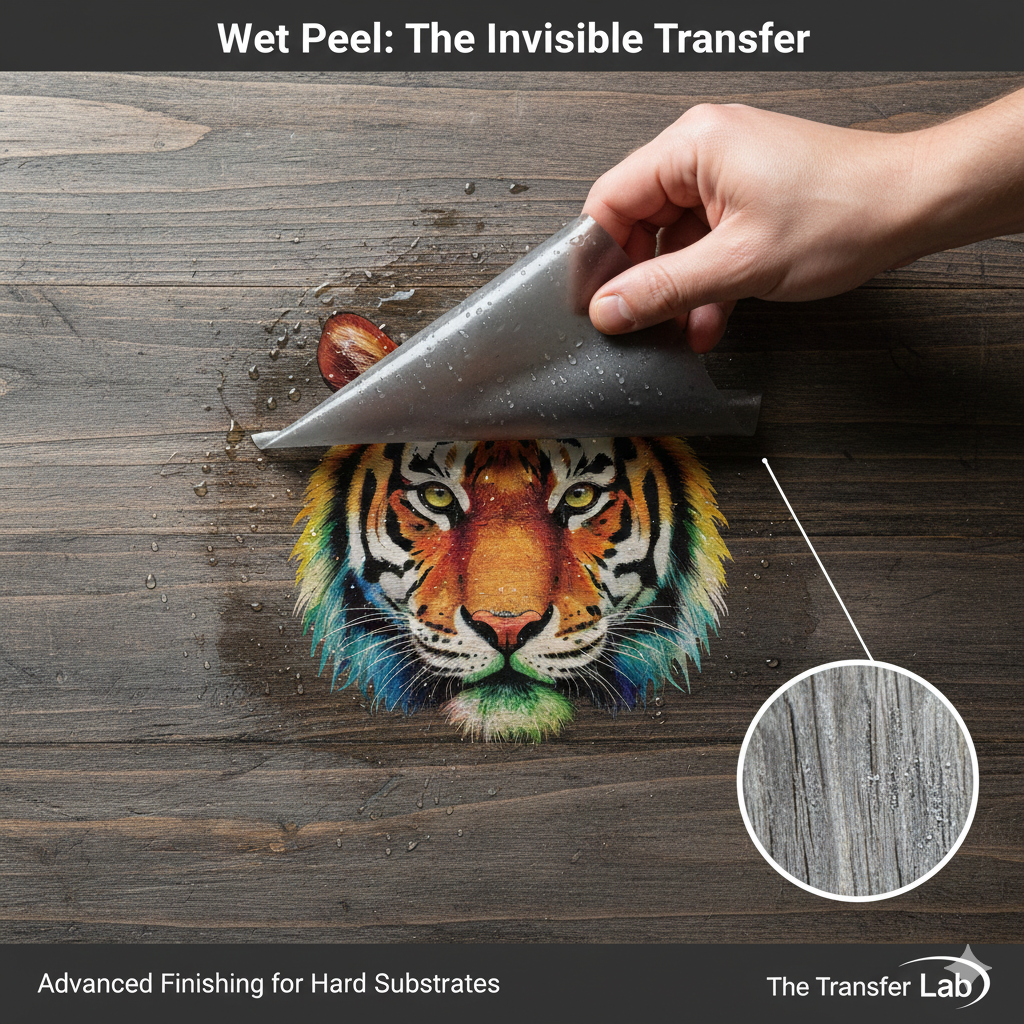
Wet Peel is a specialized transfer removal technique where the carrier sheet (liner) is saturated with water after the heat-pressing cycle to dissolve a release layer or soften the paper bond. This process allows the carrier to be slid or lifted away, leaving only the printed image on the substrate. It is primarily used for “no-background” transfers on porous or heat-sensitive hard surfaces.
Read more
Why It Matters: Impact and Use
The Wet Peel method is essential for achieving a high-end, “direct-printed” look on challenging materials. In the decoration industry, mastering this technique is a significant marker, as it requires a specific understanding of paper chemistry and moisture-reactive coatings.
- Zero-Residue Finish: The primary advantage of a Wet Peel—specifically with media like TheMagicTouch RST 9.1—is that the transfer layer itself is water-soluble or designed to release only the toner when moistened. This ensures that no “window” or plastic film is left behind on the product, which is vital for high-quality wood, cork, or stone decorations.
- Surface Compatibility: Wet Peel is the go-to solution for rough or porous surfaces. While dry peels might struggle to release from deep textures, the water penetrates the carrier, equalizing the tension and allowing the toner to stay embedded in the material’s grain while the paper lifts away cleanly.
- Managing Thermal Stress: For certain hard goods, a Wet Peel also serves to quickly cool the substrate, “locking” the toner into place and preventing the image from smudging or shifting during the removal process.
- Production ROI: Although it adds a step (moistening), the ROI (Return on Investment) is found in the ability to decorate high-margin items like rustic wooden signs, luxury packaging, and natural slate that cannot be processed with standard textile films.
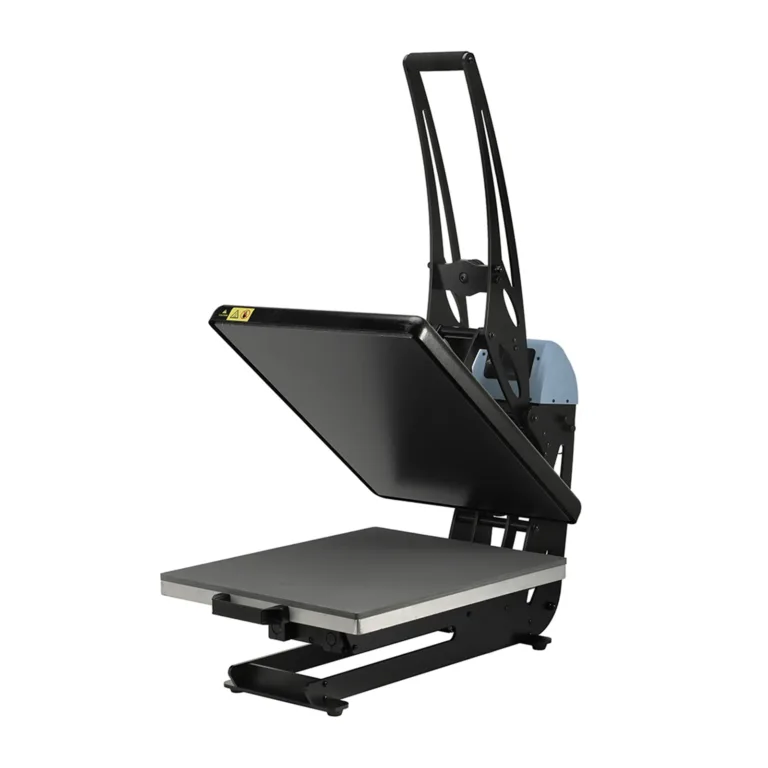
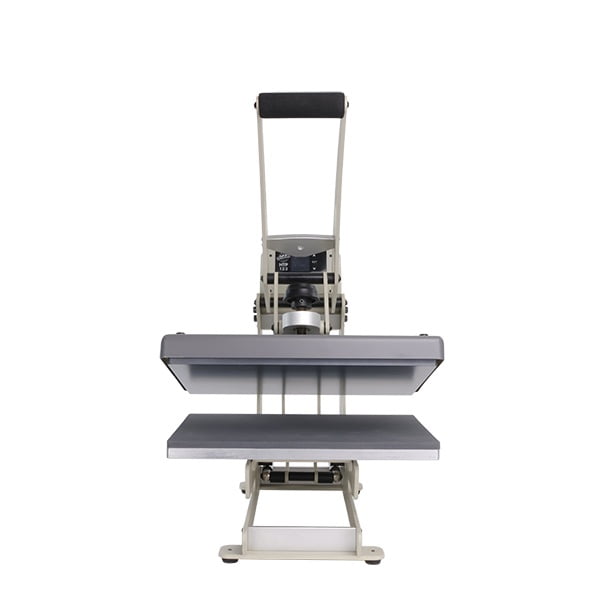
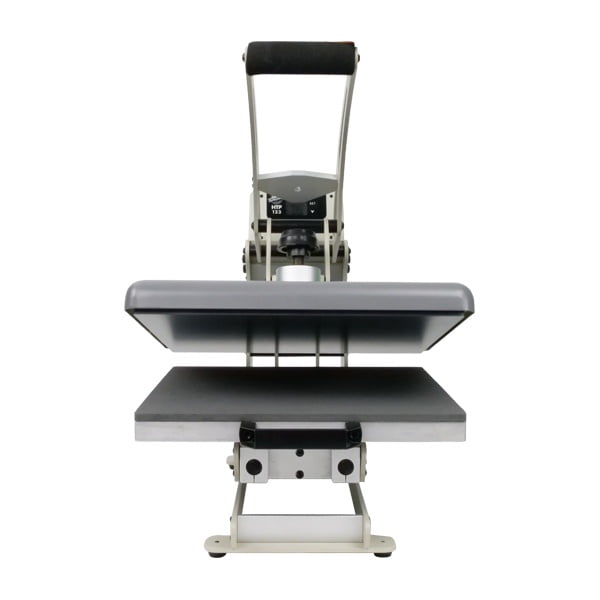
All clamshell Heat Presses
Comparison: Wet Peel vs. Dry Peel
| Feature | Wet Peel (e.g., TheMagicTouch RST 9.1) | Dry Peel (Hot/Warm/Cold) |
| Removal Agent | Water / Moisture | Temperature Change |
| Substrate Focus | Porous Hard Surfaces (Wood, Cork) | Textiles & Smooth Hard Goods |
| Background | Virtually None (Dissolvable layer) | Possible film/coating remains |
| Cleanup | Requires drying/wiping | None |
Frequently Asked Questions
How do I perform a Wet Peel correctly?
After the heat press cycle, allow the product to cool slightly. Use a wet sponge or cloth to thoroughly saturate the back of the transfer paper until the paper changes color/transparency. Wait a few seconds for the release layer to dissolve, then gently peel or slide the paper off.
Why is Wet Peel used for wood and cork?
Wood and cork are porous and can grip transfer paper too tightly. Water softens the paper fibers and dissolves the starch-based release layer, ensuring the toner stays in the wood grain while the paper is removed without tearing.
Does the water damage the print?
No. Since toner is a plastic-based polymer fused by heat, it is completely waterproof once the pressing cycle is finished. The water only affects the carrier paper and the temporary release coating.
 4.7
4.7