Heat Transfer Vinyl is a printing technique that has been around for some time, where you cut out textile foil and remove the excess material from the carrier. You then press the foil onto textile with a transfer press, where an even pressure distribution is essential for a durable result.
Heat Transfer Vinyl, also known as htv, is a thin, flexible foil that is specially designed to apply designs to textiles. It consists of a carrier, an adhesive layer and a colored top layer. Heat transfer vinyl allows you to create custom designs that adhere perfectly to fabric.
Flex foil is designed to last. The prints are wash-resistant, colorfast and resistant to wear, making them perfect for clothing that is worn frequently. Flex foil is stretchable and follows the movements of the textile, so the print always looks tight. Whether it’s T-shirts, sportswear, bags or accessories, with flex foil you can personalize almost any textile item. Flex foil gives your designs a high-quality and professional look.
We discuss the following topics
Read more

Who is Heat Transfer Vinyl suitable for?
Heat Transfer Vinyl is a versatile material that is suitable for a wide audience. Whether you are a hobbyist who likes to print your own clothing, a small entrepreneur who wants to make unique products or a large organization looking for a professional printing method, flex foil offers countless possibilities.
Flex foil is suitable for:
- Hobbyists: Do you want to personalize T-shirts, bags or other textile items yourself? With flex foil you can let your creativity run free and create unique pieces.
- Small entrepreneurs: Do you have your own webshop or do you sell products at markets? Flex foil is ideal for printing clothing, bags and accessories with your own logo or design.
- Sports clubs and teams: Flex foil is often used for printing sportswear, such as shirts, trousers and tracksuits.
- Companies: Flex foil is suitable for printing company clothing, promotional material and business gifts.
- Schools and clubs: For making unique clothing for events, projects or as a souvenir.
What do you need to work with htv?
To get started with flex foil yourself, you need a number of supplies.
Below you will find an overview:
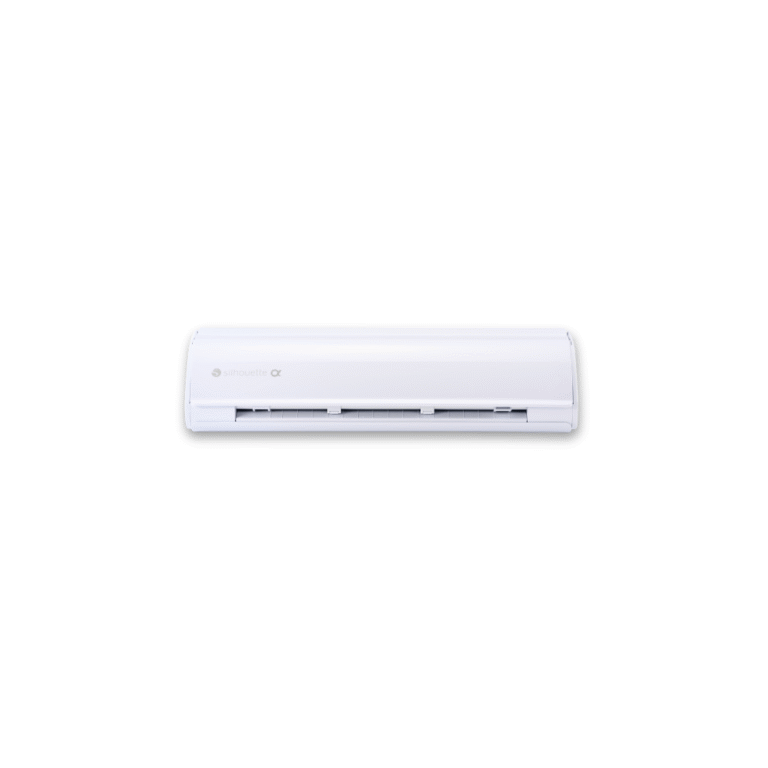
- Cutting plotter: This is the most important tool. A cutting plotter cuts your design out of the flex foil, so that you can then apply it to your textile. Popular brands are Silhouette Cameo and Cricut.
- Flex foil: This is available in different colors, types and finishes. Choose the foil that best suits your project.
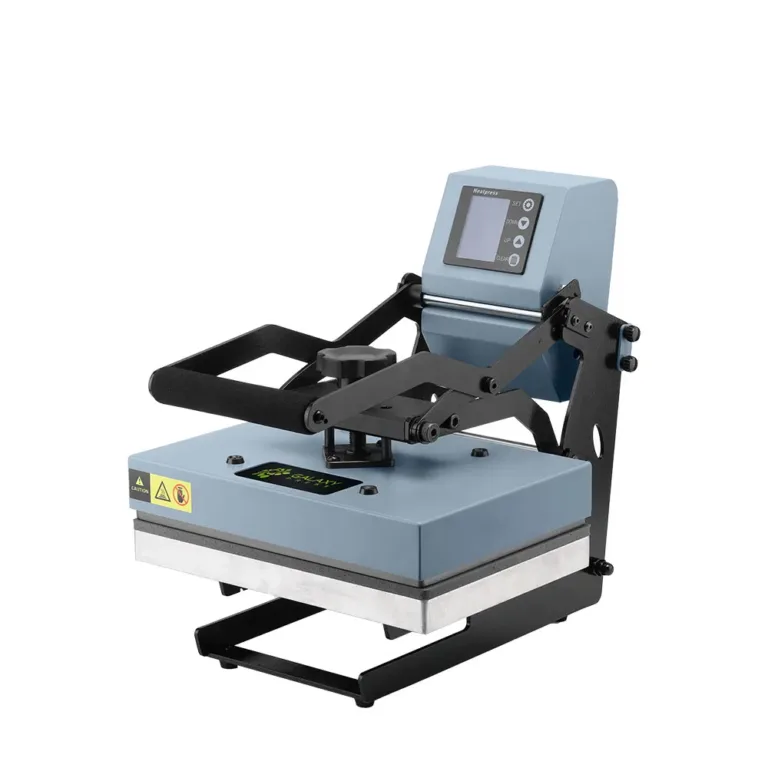
- Transfer press: With a transfer press, you apply the flex foil to the textile under high temperature and pressure. There are different types of transfer presses available, from small presses for home use to professional presses for large print runs.
- Textiles: Choose a type of fabric that is suitable for pressing. Cotton and polyester are commonly used fabrics.
- Cutting mat: This protects the cutting plotter and provides a good grip while cutting.
- Peel hook: With a peel hook you remove the excess foil from your design.
Optional supplies:
Design software: To create your own designs.
Baking paper: This prevents the carrier from sticking to the heated press plate.

With so many options available, heat transfer vinyl can help you elevate your DIY projects to the next level.
Don’t hesitate to experiment with different designs using heat transfer vinyl to create something unique.
What should I pay attention to with htv
When working with flex foil, there are a few important points you should pay attention to in order to achieve an optimal result:
Choosing the right flex foil
- Type of fabric: Choose the flex foil that is suitable for the type of fabric you want to print on. There are different types of flex foil for cotton, polyester and blends.
- Washability: Determine how often the printed item will be washed and choose a foil with a corresponding washability.
- Colour and finish: Flex foil is available in numerous colours and with different finishes (matte, glossy, glitter, etc.). Choose the option that best suits your design.
Preparing the fabric
- Washing instructions: Always pre-wash the fabric to remove any chemicals that may affect the adhesion of the foil.
- Ironing: Smooth the fabric to remove wrinkles.
- Cutting settings: Make sure the cutting settings on your cutting plotter are set correctly for the thickness of the flex foil.
- Weeding: Carefully remove any excess foil. Incorrect weeding can cause parts of the print to come loose.
Pressing
- Temperature, time and pressure: Follow the instructions for the flex foil and the transfer press carefully. Incorrect temperature, time or pressure can cause the foil to not adhere properly or damage the fabric.
- Placement: Make sure the design is straight and in the right place on the fabric before pressing.
- Cooling time: Allow the print to cool sufficiently after pressing before touching the fabric again.
Maintaining the print
- Washing instructions: Follow the washing instructions of the flex foil to extend the life of the print.
- Wash inside out: Preferably wash the printed item inside out and use a mild detergent.
- Do not tumble dry: Air dry the item.
Here are some additional tips
- Practice on scraps of fabric: Before starting a final project, it is wise to practice on a scrap piece of fabric first.
- Use heat-resistant tape: Transfer tape can be useful for holding small parts of your design in place while pressing.
- Work in a well-ventilated area: Some films can emit a slight odor while pressing. By following these tips, you can achieve beautiful and durable results with flex foil.
Always remember to test your heat transfer vinyl on a sample piece before applying it to your final product.
What cuttable htv’s are there?
Pros and Cons of Heat Transfer Vinyl
Flex film is a popular choice for textile printing, but like any other method, it has its own pros and cons.
Let’s take a closer look:
Pros of Flex Film
- Durability: Flex film is designed to last. The prints are washable, colourfast and resistant to wear, making them perfect for clothing that is worn frequently.
- High flexibility: Flex foil is stretchable and follows the movements of the textile, so that the print always looks tight.
- Wide range of applications: Whether it’s T-shirts, sportswear, bags or accessories, with flex foil you can personalize almost any textile item.
- Professional appearance: Flex foil gives your designs a high-quality and professional appearance.
- Versatility: Flex foil is available in countless colours, types and finishes, giving you many options.
Disadvantages of flex foil
- Investment: To work with flex foil, you need a cutting plotter and a transfer press. This can be quite an investment, especially for private use.
- Learning curve: Working with flex foil requires some practice to find the right settings and achieve a perfect result.
- Energy consumption: Pressing flex foil requires energy, which can contribute to the costs.
What do the different htv’s cost?
| Heat Transfer Vinyl | Price per meter* (purchase of 1 meter) | Costs A4 logo* (including cutting/peeling loss) |
|---|---|---|
| MagiCut 123Flex | €5.99 | €0.83 |
| MagiCut 123Premium | €6.29 | €0.87 |
| MagiCut 123Premium Ultra | €6.29 | €0.87 |
| MagiCut 123Flex SubliBloc White | €7.69 | €1.07 |
| MagiCut 123Premium SubliBloc White | €7.99 | €1.11 |
| MagiCut Dimension | €11.90 | €1.65 |
| MagiCut Stretch | €4.99 | €0.69 |
| MagiCut Reflex | €9.99 | €1.38 |
| MagiCut Flock | €8.99 | €1.25 |
| MagiCut Metallic | €5.99 | €0.83 |
| MagiCut Soft Metallic | €6.99 | €0.97 |
| MagiCut Holographic | €6.99 | €0.97 |
| MagiCut Holographic | €6.99 | €0.97 |
| MagiCut Rainbow Spectrum | €6.99 | €0.97 |
| MagiCut Glitter | €10.49 | €1.45 |
| MagiCut Twinkle | €9.29 | €1.29 |
| MagiCut Glow | €13.49 | €1.87 |
| MagiCut Puff | €8.59 | €1.19 |
| MagiCut Photochromic | €9.99 | €1.38 |
The prices mentioned are estimates and may vary per project. When calculating the costs for an A4 logo, a margin has been maintained to take into account cutting loss and any additional material use. The meter price for flex foil is based on a purchase of one full meter.
Remember to always store your heat transfer vinyl properly to maintain its quality and usability.
Many people choose heat transfer vinyl for their projects due to its versatility and ease of use. It can be applied to a variety of materials, making it an excellent choice for both beginners and experienced users.
Choosing the right heat transfer vinyl can make a significant difference in the outcome of your projects.
HTV FAQ
How do you use heat transfer vinyl?
Using HTV involves a few key steps to ensure a professional, long-lasting bond.
Design & Mirror: Create your design in your software. Crucial: You must “Mirror” (flip) your design horizontally before cutting because you cut HTV from the backside.
Cutting: Place the vinyl on your cutting mat with the shiny side (carrier sheet) facing down.
Weeding: Once cut, use a weeding tool to remove the excess vinyl that isn’t part of your design.
Preparation: Pre-press your garment for 2–3 seconds to remove moisture and wrinkles.
Pressing: Position the design (shiny side up now), cover with a Teflon sheet or parchment paper, and apply heat and pressure.
Standard settings: 305°F (150°C) for 10–15 seconds.
Peeling: Check your vinyl’s instructions to see if it is a “Hot Peel” (remove immediately) or “Cold Peel” (wait until it cools).
Which is better, HTV or DTF?
Choosing between Heat Transfer Vinyl (HTV) and Direct to Film (DTF) depends on your design’s complexity and your budget.
Heat Transfer Vinyl (HTV) is the best choice for beginners and simple designs. It is highly affordable, requiring only a basic cutter and a heat press (or iron). HTV excels at solid colors, bold text, and special textures like glitter, holographic, or “puff” finishes. However, it requires “weeding” by hand, which makes it difficult for very intricate patterns.
Direct to Film (DTF) is superior for high-detail, full-color images. Unlike vinyl, DTF involves printing a digital image onto a special film, which is then transferred to the fabric. This method handles gradients and photographs perfectly and has a much softer, more breathable “hand feel” on the garment. While it is more durable (often lasting 50+ washes), the startup cost for a DTF printer is significantly higher than an HTV setup.
Is heat transfer vinyl the same as iron-on?
Yes. For all practical purposes, “HTV” and “Iron-on” are the exact same thing.
The primary difference is branding. “Iron-on” is a consumer-friendly term popularized by brands like Cricut to signal that the product can be applied using a standard household iron. “Heat Transfer Vinyl” or “HTV” is the industry-standard term used by professionals and manufacturers (like Siser or Oracal).
Note: Just because it’s called “Iron-on” doesn’t mean you must use an iron; a heat press will almost always provide more even heat and better adhesion.
Can I use heat transfer vinyl without a Cricut?
Absolutely! While a cutting machine like a Cricut or Silhouette makes life easier, you don’t need one to get started.
Hand-Cutting: You can trace your design onto the back (dull side) of the vinyl and cut it out manually using scissors or an X-Acto knife. This is great for simple shapes or block letters.
Craft Punches: Use heavy-duty paper punches (circles, hearts, stars) to create consistent shapes from HTV scraps.
Printing Stencils: Print your design on regular paper, tape it to the vinyl, and cut through both layers at once.
The Heat Source: If you don’t have a dedicated Heat Press, a standard household iron works perfectly fine for small projects. Just ensure the steam setting is turned OFF and you are pressing on a firm, flat surface (not a padded ironing board).
When selecting heat transfer vinyl, consider factors such as color, finish, and application method to ensure the best results for your project.
For intricate designs, heat transfer vinyl can be cut with precision tools, allowing for detailed customization on any project.
With heat transfer vinyl, you can easily personalize items such as T-shirts, hats, and bags, making it a popular choice among hobbyists and small businesses alike.
Many brands offer quality heat transfer vinyl, so do some research to find the one that suits your needs best.
For best results, ensure you are using the correct type of heat transfer vinyl for your specific fabric to achieve a durable and vibrant finish.
Whether you’re crafting for fun or for profit, heat transfer vinyl opens up a world of creative possibilities.
The costs of heat transfer vinyl can vary, so it’s worth shopping around to find the best deals available.
Whether you’re looking for standard or specialty heat transfer vinyl, knowing your options can help you make informed choices.
Using heat transfer vinyl effectively can elevate your projects and expand your creative range.
For high-quality applications, using professional-grade heat transfer vinyl is recommended for the best finish.
Overall, heat transfer vinyl is a great investment for anyone interested in textile customization.
Many users find that working with heat transfer vinyl can be both fun and rewarding, allowing for personal expression through customized items.
As you explore the world of heat transfer vinyl, you’ll discover endless possibilities for creativity.
In the end, heat transfer vinyl is a fantastic medium for anyone looking to personalize their textiles.
Always check for reviews and user feedback when selecting your heat transfer vinyl for quality assurance.
To maximize your success, always follow the application guidelines provided for your heat transfer vinyl.
Each type of heat transfer vinyl has its unique features, so it’s helpful to understand them before use.
Applying heat transfer vinyl is a satisfying process, and the results can be truly impressive.
 4.7
4.7