
Direct to Film (DTF) is a digital printing technology that allows for the creation of high-quality, full-color textile transfers. The process involves using a specialized inkjet printer to print a design onto a translucent PET (Polyethylene Terephthalate) film. While the ink is still wet, a hot-melt adhesive powder is applied and then cured in an oven, creating a flexible, ready-to-apply transfer.
Read more
Why It Matters
DTF has revolutionized the garment decoration industry by bridging the gap between DTG (Direct to Garment) and traditional Screen Printing. It is a cornerstone of modern production for businesses seeking high E-E-A-T (Expertise, Authoritativeness, and Trustworthiness) in apparel customization.
Durability and Feel: Modern DTF transfers are incredibly thin and stretchable. When cured correctly in a curing oven, they offer excellent wash-fastness and a soft “hand-feel” that does not crack over time.
Substrate Versatility: Unlike sublimation, which requires polyester, or DTG, which favors cotton, DTF transfers can be applied to almost any fabric, including cotton, polyester, nylon, and blends, regardless of the garment color.
No Weeding Required: Because the adhesive powder only sticks to the printed ink, there is no need to “weed” excess material (unlike Heat Transfer Vinyl). This significantly reduces labor costs and increases production speed.
Superior Opacity & Detail: The printer applies a solid white ink layer on top of the CMYK design. This “underbase” ensures that colors remain vibrant even on jet-black fabrics.
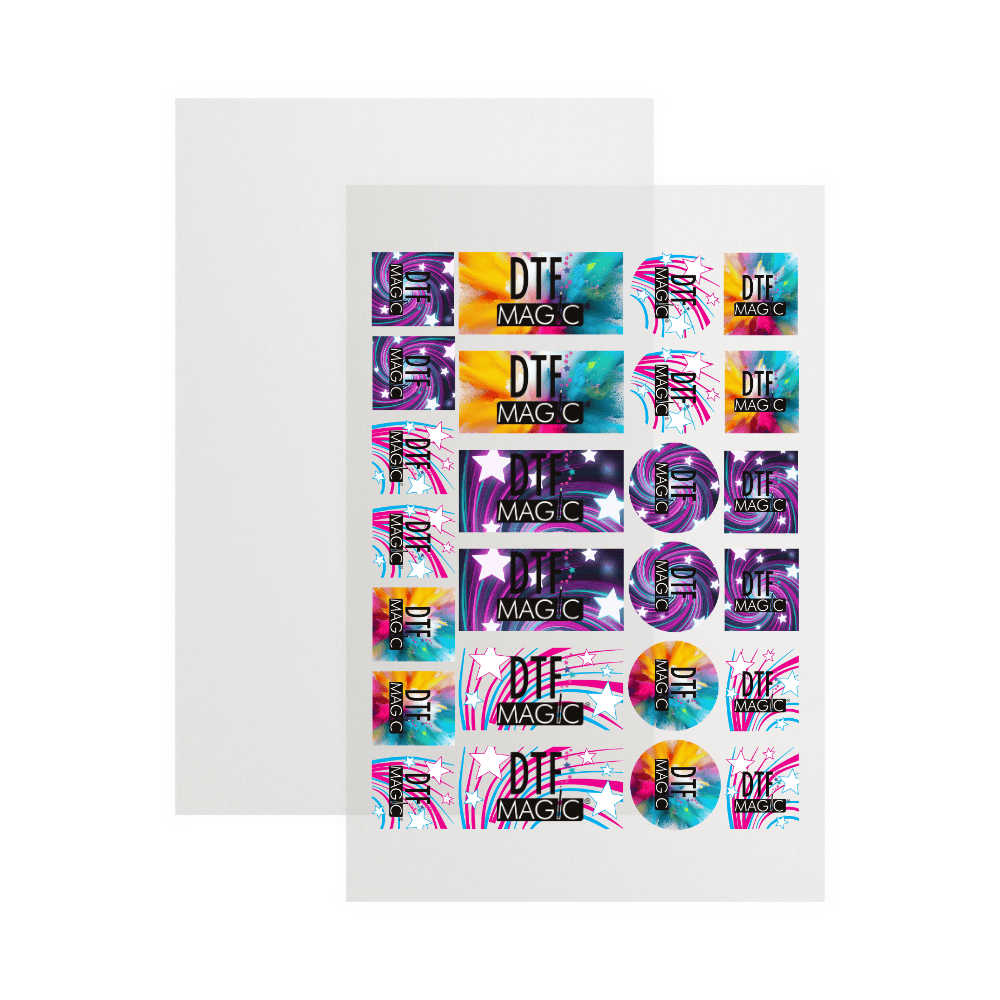
All DTF Films
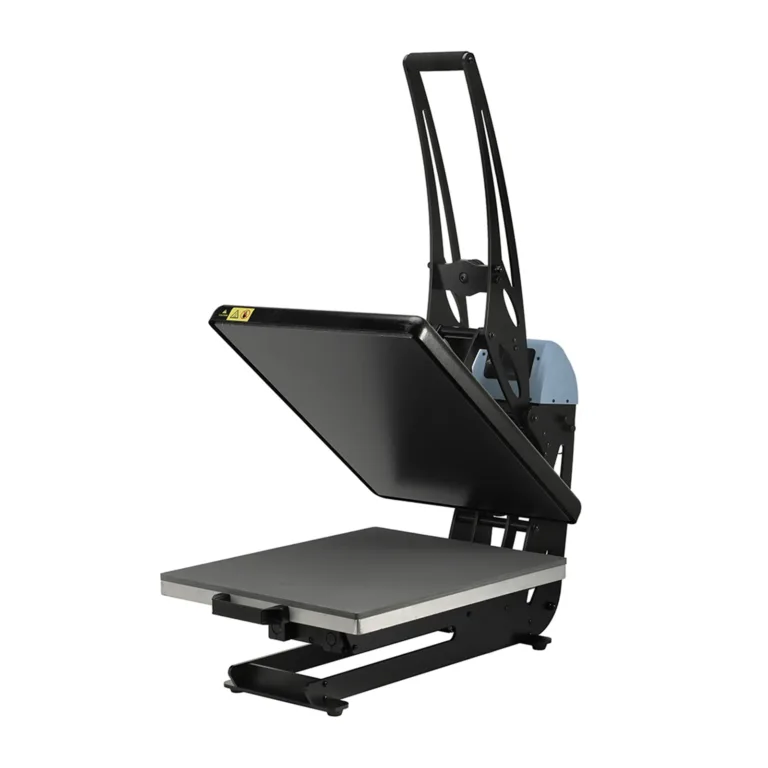
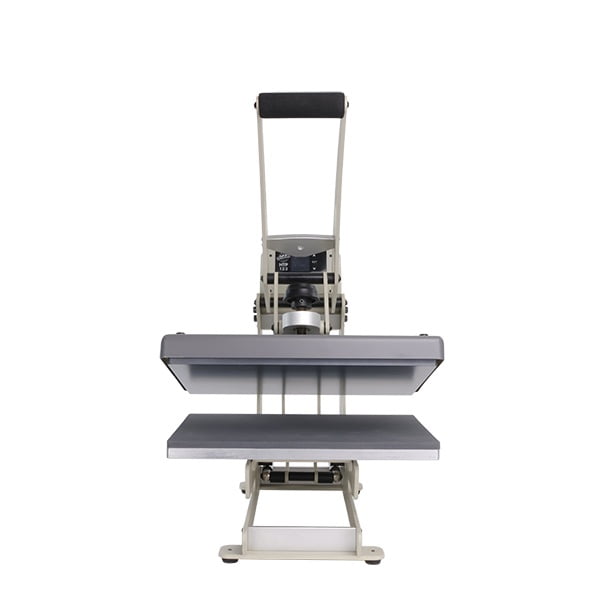
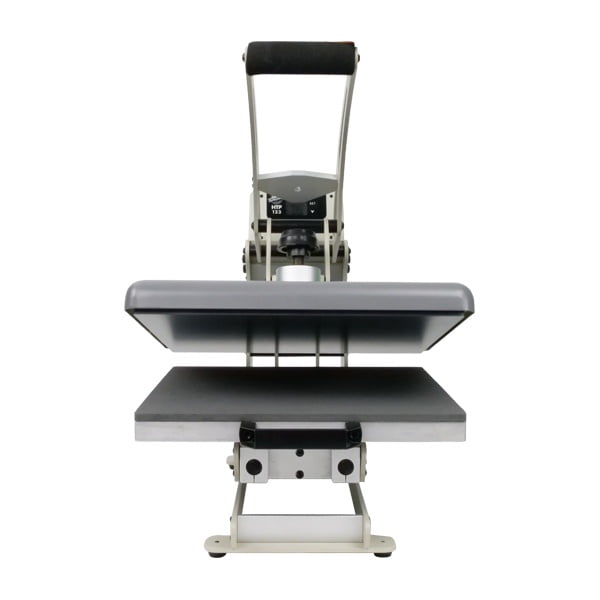
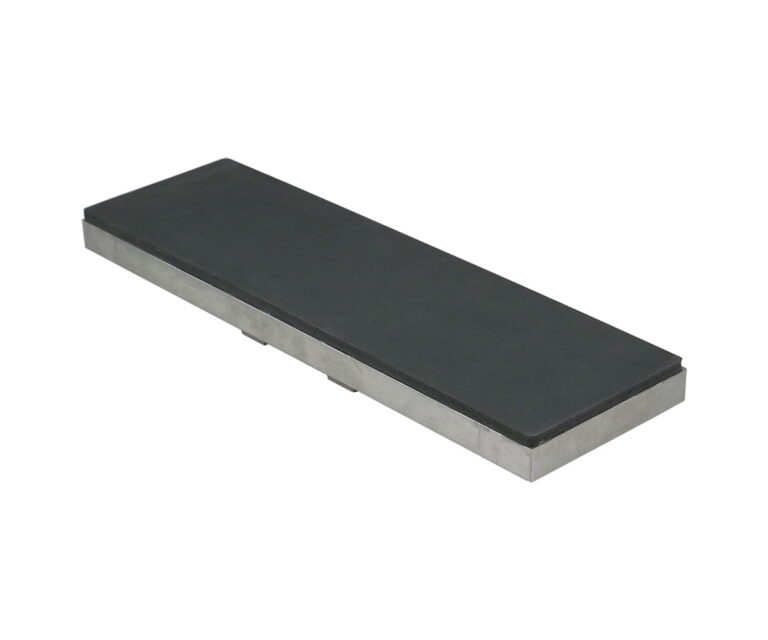
The DTF Technical Workflow
| Step | Component | Purpose |
| 1. Print | DTF Inkjet Printer | Prints CMYK followed by a White ink layer on PET film. |
| 2. Powder | TPU Adhesive Powder | Applied to the wet ink; acts as the bonding agent for the fabric. |
| 3. Cure | Curing Oven / Heat Press | Melts the powder to fuse it with the ink, creating a stable transfer. |
| 4. Transfer | Heat Press | Applies the finished film to the garment using heat and pressure. |
Frequently Asked Questions
What is the difference between DTF and DTG printing?
DTG (Direct to Garment) prints directly onto the fabric, which usually requires pre-treatment. DTF (Direct to Film) prints onto a film first, which is then transferred to the garment. DTF is generally more versatile across different fabric types and colors.
Do DTF transfers crack or fade?
When cured properly in a curing oven and applied with the correct heat press settings, DTF transfers are highly durable. They are known for their high elasticity and can withstand dozens of washes without cracking or significant fading.
Can I use any inkjet printer for DTF?
No. DTF requires specialized printers equipped with white ink circulation systems and specific print heads capable of handling DTF-specific textile inks to prevent clogging.
 4.8
4.8