
Inkjet is a digital printing technology that reproduces images by propelling microscopic droplets of liquid ink onto a substrate. This process occurs “dot by dot” using high-precision print heads (typically Piezoelectric or Thermal). In the garment and signage industries, inkjet technology is the foundation for sublimation, DTF (Direct to Film), and Eco-Solvent printing.
Read more
Why It Matters: Impact and Use
nkjet technology is a pillar of modern customization. Understanding the distinction between consumer-grade and professional-grade inkjet systems is vital for maintaining E-E-A-T (Expertise, Authoritativeness, and Trustworthiness) in a commercial printing business.
- Resolution and Detail: Inkjet technology allows for photographic quality and complex gradients that are impossible to achieve with traditional screen printing or vinyl cutting. This provides the “Design Freedom” necessary for high-end custom apparel.
- Ink Chemistry & Durability: Standard desktop inkjet printers use Dye or Pigment inks that are often water-soluble and unsuitable for textile transfers. Professional systems utilize specialized inks:
- Sublimation Ink: Contains solid dye particles that turn into gas when heated, bonding permanently with polyester fibers.
- Eco-Solvent Ink: Uses a solvent-based carrier that “bites” into vinyl, making it weather-resistant for outdoor signs and durable for printable HTV.
- Textile Pigment (DTF): High-opacity inks designed to sit on top of films and bond to fabrics via an adhesive powder.
- Cost Efficiency: While consumer inkjet printers have a low entry price, their Cost Per Print is significantly higher due to small cartridge volumes. Industrial inkjet systems use CISS (Continuous Ink Supply Systems) or large liter bags, drastically reducing production costs.
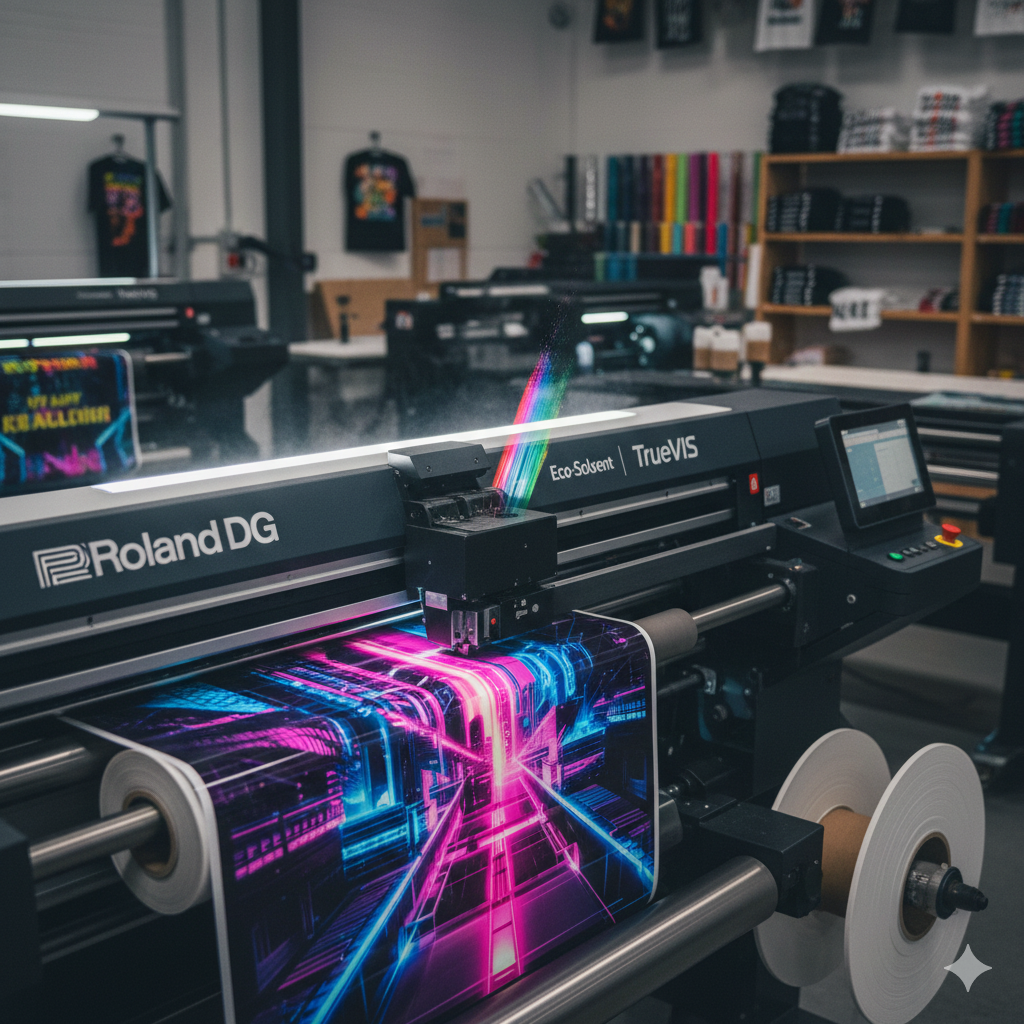
Some inkjet products
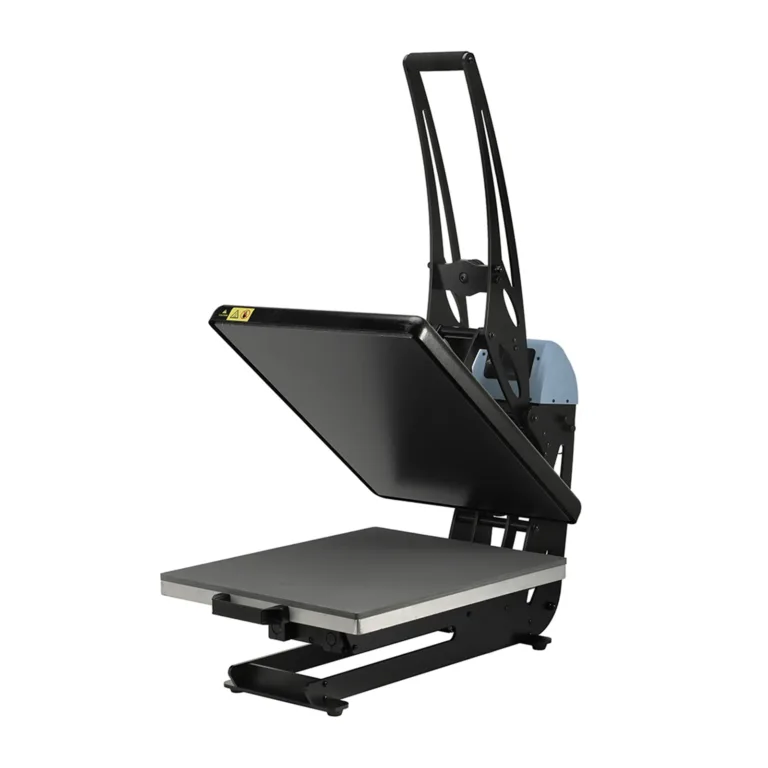
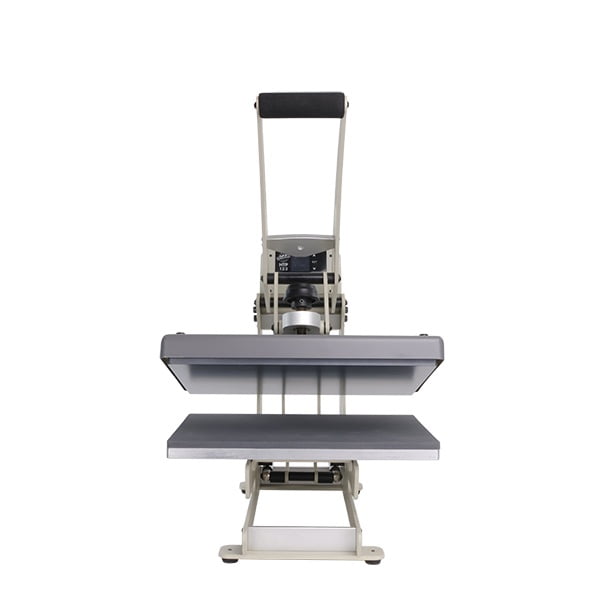
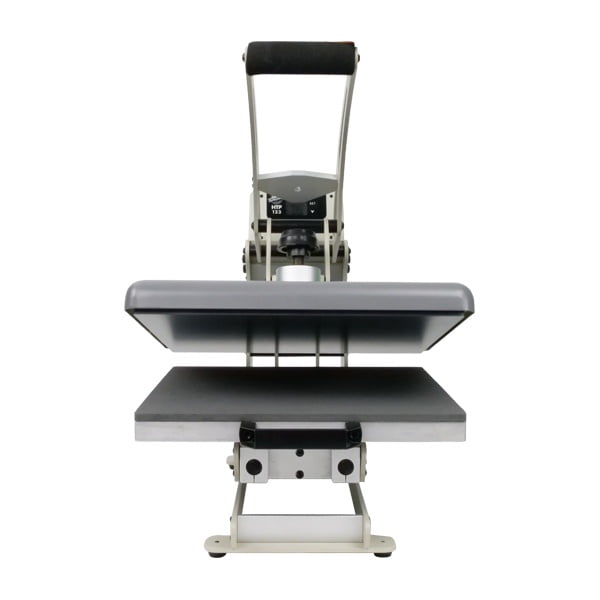
Comparison: Inkjet Technologies in Transfer Printing
| Technology | Ink Type | Primary Substrate | Best Use Case |
| Sublimation | Sublimation Dye | Polyester / Hard Goods | Teamwear, mugs, and phone cases. |
| Eco-Solvent | Solvent-based | Printable Vinyl (HTV) | Outdoor banners, car wraps, and workwear. |
| DTF | Pigment + White | PET Film | Full-color logos on cotton or dark fabrics. |
| Desktop Inkjet | Aqueous Dye/Pigment | Paper / Photo Paper | Standard office documents (Not for textiles). |
Frequently Asked Questions
Can I use my home inkjet printer for t-shirt transfers?
Technically yes, but only with specific ‘Inkjet Transfer Paper.’ However, standard office ink is water-soluble and will likely fade or bleed after the first wash. For professional results, Sublimation or DTF inkjet printers are recommended.
What is the difference between Piezo and Thermal inkjet heads?
Thermal heads use heat to bubble the ink out, while Piezo heads use electricity to vibrate a crystal and ‘pump’ the ink. Piezo heads (common in Epson and Roland) are preferred for professional transfers because they are compatible with a wider range of specialized inks.
Why is my inkjet printer showing ‘banding’ in the prints?
Banding (visible horizontal lines) is usually caused by clogged nozzles. Because inkjet ink dries in the air, a ‘Head Cleaning’ cycle is required to flush the nozzles and restore consistent ink flow.
 4.7
4.7