
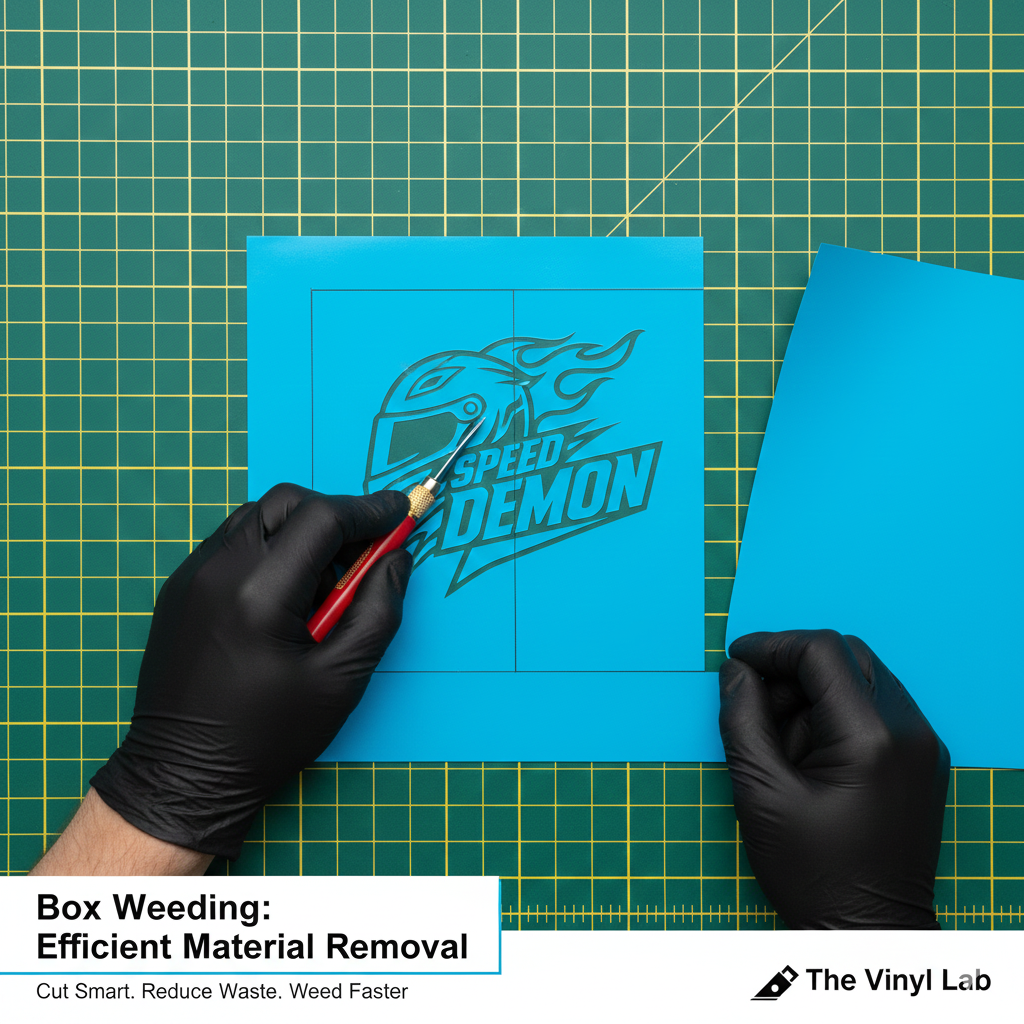
Weeding is the post-cutting process of removing excess material (the “negative” space) from a sheet of Heat Transfer Vinyl (HTV), adhesive vinyl, or transfer media. After a cutting plotter has traced the outlines of a design, the operator uses a specialized tool to peel away the unwanted film, leaving only the intended graphic or text on the carrier sheet.
Read more
Why It Matters: Impact and Use
In the production workflow, weeding is the bridge between digital design and physical application. Mastering efficient weeding techniques is a core sign of E-E-A-T (Expertise, Authoritativeness, and Trustworthiness), as it directly influences production speed and the quality of the final garment.
- Quality Control: This is the final stage to catch cutting errors. If a plotter didn’t cut deep enough (or cut too deep), it becomes apparent during the weeding process.
- Production Efficiency: For complex or high-volume jobs, weeding can be the most time-consuming step. Using “Easy-Weed” materials like MagiCut Flex significantly reduces labor time, improving the overall ROI of a project.
- Detail Preservation: Proper weeding requires precision to ensure that “islands”—the small internal parts of letters like a, e, o, or b—remain attached to the carrier while the surrounding waste is removed.
- Adhesive Synergy: The ease of weeding is determined by the “Tack” (stickiness) of the carrier sheet. A Medium Tack carrier provides the best balance, holding fine details in place during weeding without making the waste material difficult to pull away.
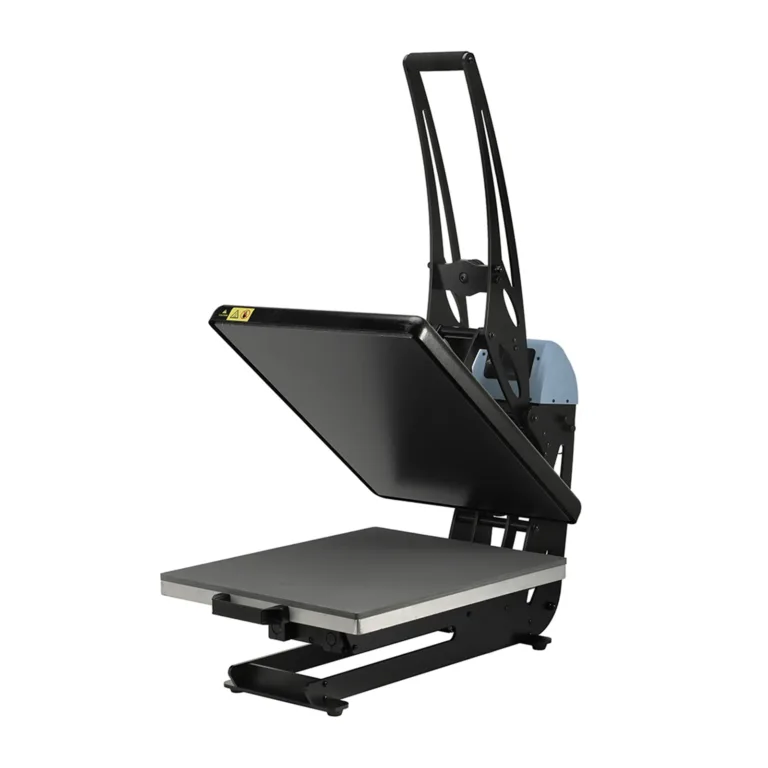
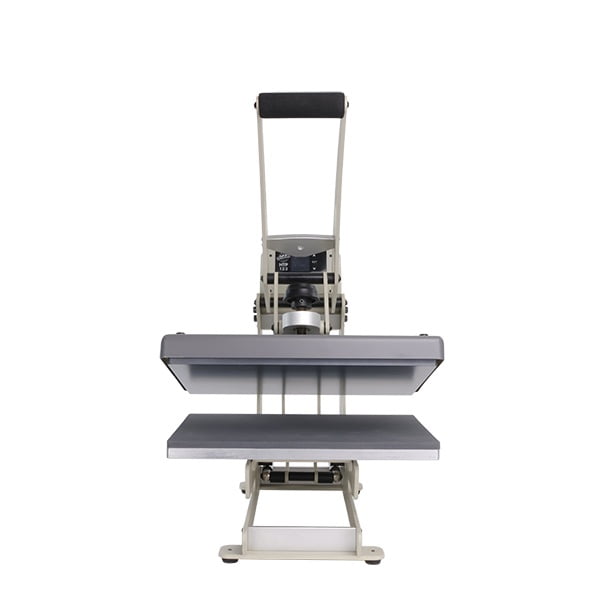
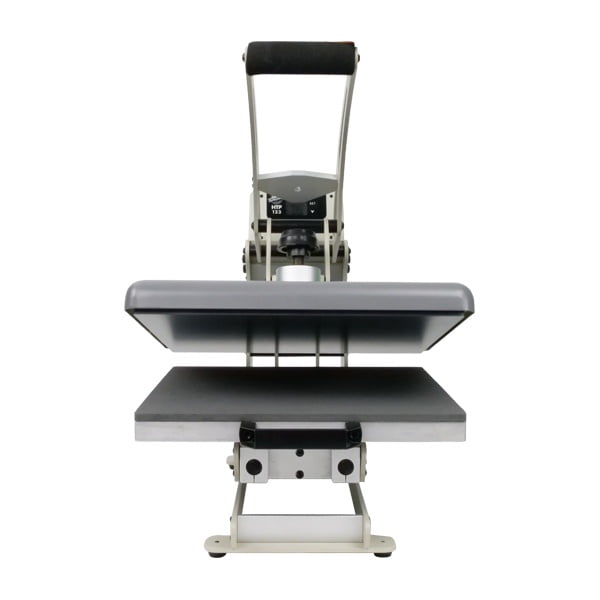
All clamshell Heat Presses
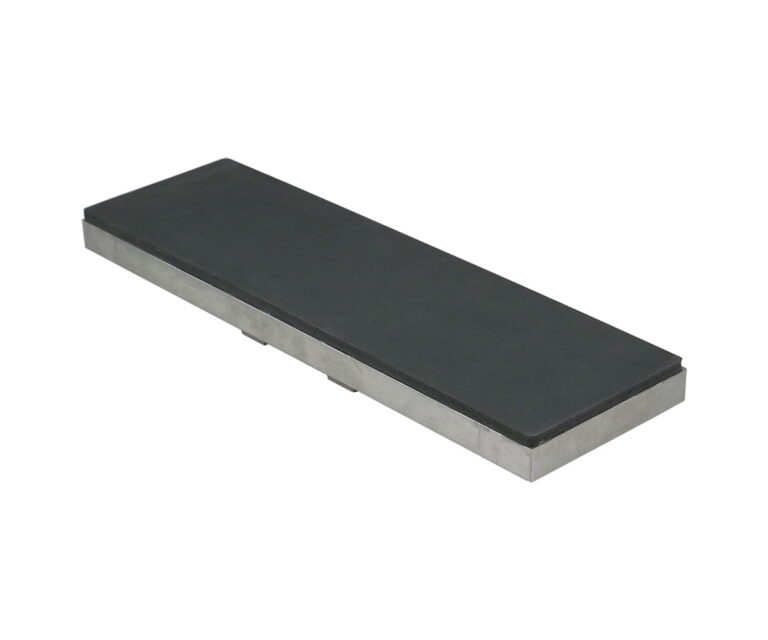
Weeding Tool Essentials
| Tool | Purpose | Best For |
| Weeding Hook | A sharp, curved needle tool. | General weeding; lifting the corner of the waste. |
| Tweezers | Fine-point surgical tweezers. | Removing tiny “islands” inside small text. |
| Weeding Light Box | An LED backlit surface. | Seeing cut lines on dark or glitter materials. |
| Heat Plate | A slightly warmed surface. | Softening the adhesive to make “thick” vinyl pull easier. |
Frequently Asked Questions
Why is my vinyl lifting off the carrier while weeding?
This usually happens if the cutting blade didn’t penetrate the vinyl layer completely, or if you are using a Low-Tack carrier for a high-detail design. Check your blade depth and force settings, or try a ‘warm weeding’ technique by placing the vinyl on a warm heat press for a few seconds.
What is ‘Cavity Weeding’?
Cavity weeding refers specifically to removing the small internal pieces of letters and shapes (like the center of an ‘O’). Professionals often remove these first before pulling away the large outer waste area to prevent the larger piece from accidentally grabbing and pulling up small details.
How can I see my cut lines better on white vinyl?
White-on-white weeding is notoriously difficult. You can use an LED weeding pad (light box) to shine light through the carrier, or lightly rub a small amount of dark chalk or graphite over the surface to reveal the cut paths.
 4.8
4.8