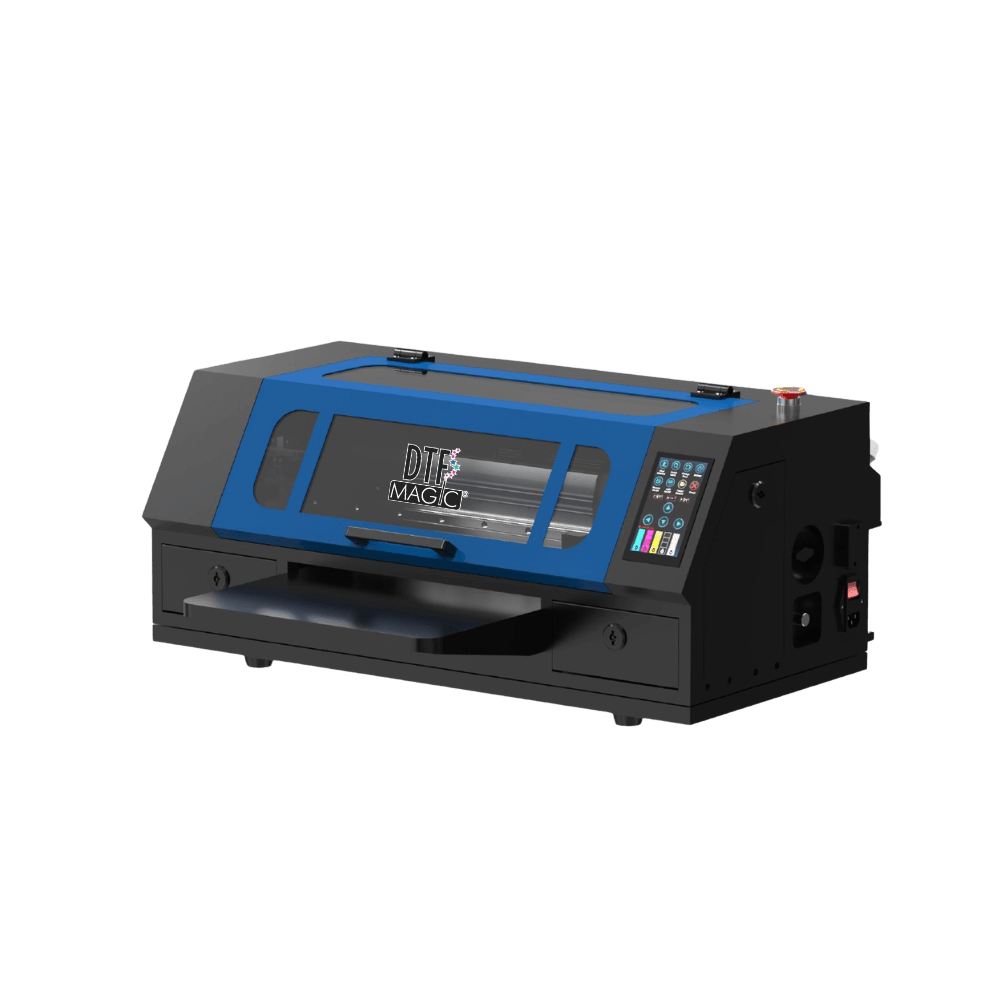
DTF Magic Printer Pro 30 Single Head 30 cm printer
The Ultimate in Entry-Level DTF Transfer Printing. The DTF Magic Printer Pro 30 is a proven, reliable, compact, purpose-built desktop dtf printer a3, ideal for affordable, high-quality single and full-colour transfers for garment and textile decoration.
⚡⚡NEW FEATURES – AVAILABLE NOW⚡⚡
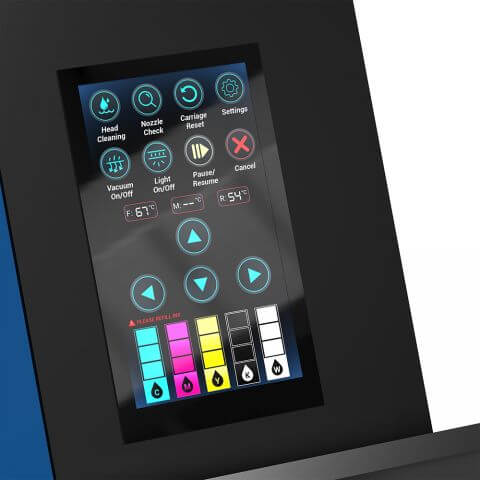
LCD Touch Panel Control
A responsive LCD touchscreen control panel. Localized LED platform lighting lets you easily audit film output quality in real time.
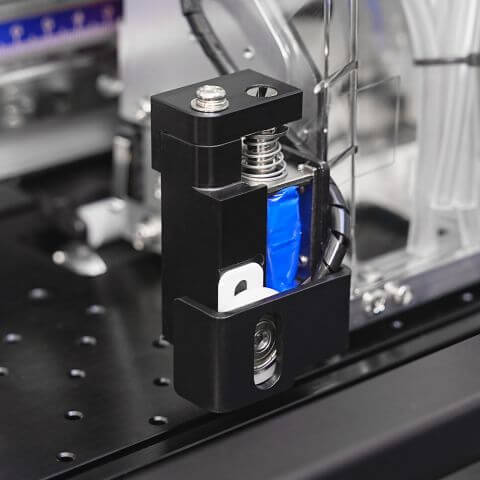
Built-In Film Cutter
A built-in automatic film cutter cuts prints immediately, and thanks to the platform’s built-in LED lighting, you can easily check the print quality during printing.
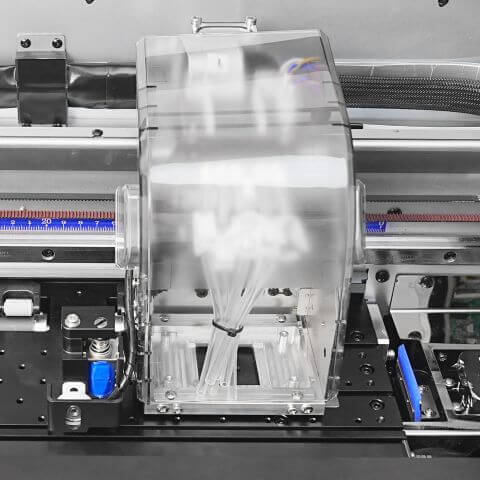
Clear Head Cover
The transparent head cover provides a clear view of the ink channels and dampers. The easy accessibility makes cleaning much simpler and minimizes maintenance tasks.
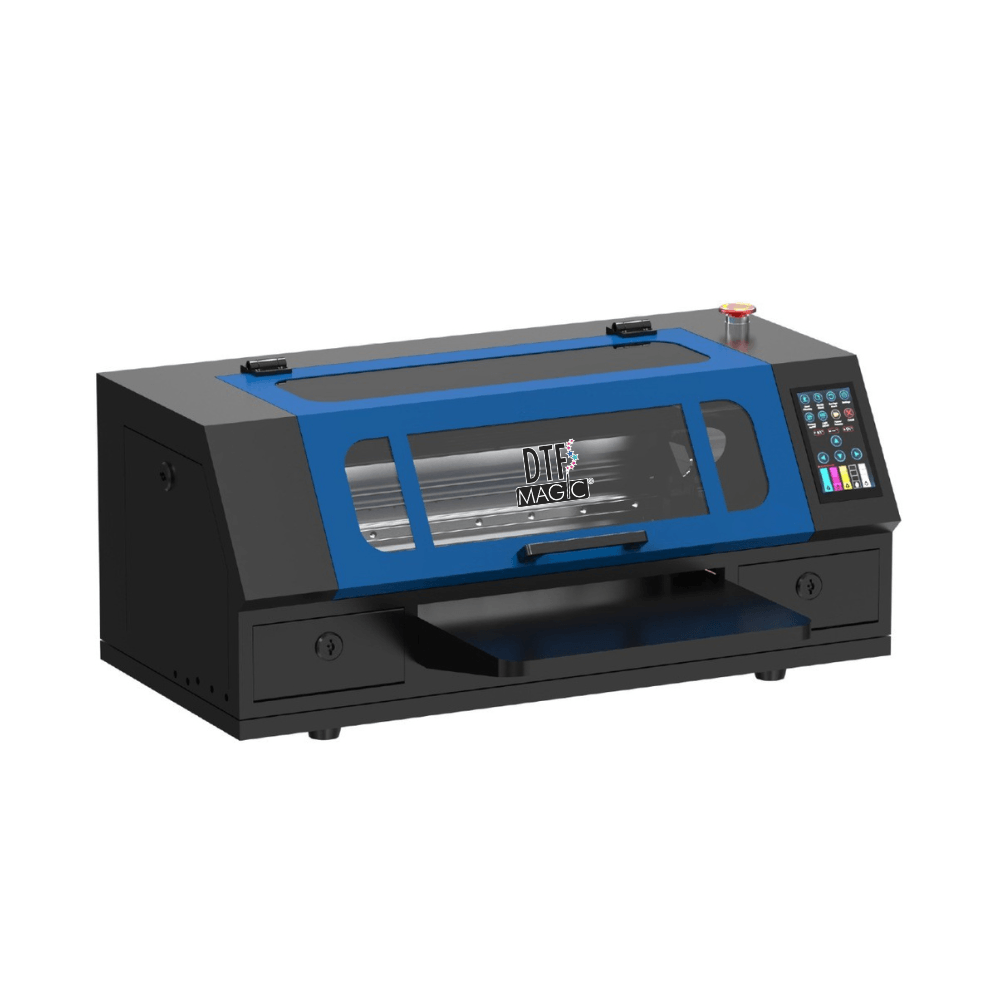
DTF Printer A3 – The Ultimate Transfer Solution
The DTF printer from DTF Magic is a compact, specially developed desktop DTF printer, ideal for affordable, high-quality single-color and full-color transfers for printing on clothing and textiles. This model was designed in close collaboration with the DTF manufacturer and addresses the common problems observed with previously modified desktop DTF printers.
Featuring
- Equipped with a single EPSON F1080 printhead
- Supports CMYK + White printing
- Print-pause function upon opening the cover
- Built-in automatic film cutter
- LCD touchscreen control panel
- Automatic white ink circulation
- Automatic printhead cleaning
- Simple operation and easy maintenance
Operator Features
The DTF Magic Printer Pro 30 is designed to make professional apparel printing accessible to start-ups and small-scale businesses as well. Thanks to the responsive LCD and the built-in LED lighting of the print platform, users have a clear view of every job. Features such as an integrated automatic film cutter and optimal print platform suction make operation easier and shorten the learning curve for your team.
Ink Circulation & Stirring
The DTF Magic Printer Pro 30 features an advanced, independently driven circulation and stirring system for the white ink. Because this system operates independently, it can stir and circulate the white ink in a controlled manner. Together with the most advanced white ink with minimal sedimentation, this ensures that the heavy titanium dioxide pigments in the white ink remain optimally suspended during regular use. This minimizes maintenance and delivers optimal results with good ink coverage.
Automatic Clean Cycle
Keep your production line running with minimal maintenance. The DTF Magic Printer Pro 30 features an advanced cleaning cycle for the Epson F1080 printhead. Thanks to the easy accessibility of the printhead and the capping station, routine maintenance is quick and easy to perform. This drastically reduces manual labor compared to other printers in this class, and downtime due to maintenance and adjustments is significantly minimized. Combined with the advanced RIP software, this provides much better color consistency during long production runs.
Smart Failure Prevention
Minimize expensive errors and material waste with intelligent, built-in safeguards. The DTF Magic Printer Pro 30 actively monitors your printing environment with dedicated sensors, featuring an automatic alarm for low ink volumes and a smart alert when the waste ink bottle is full. Additionally, an automatic print-pause function triggers the moment the machine’s cover is opened, protecting both the operator and the print mechanism from unexpected disruptions or alignment failures.
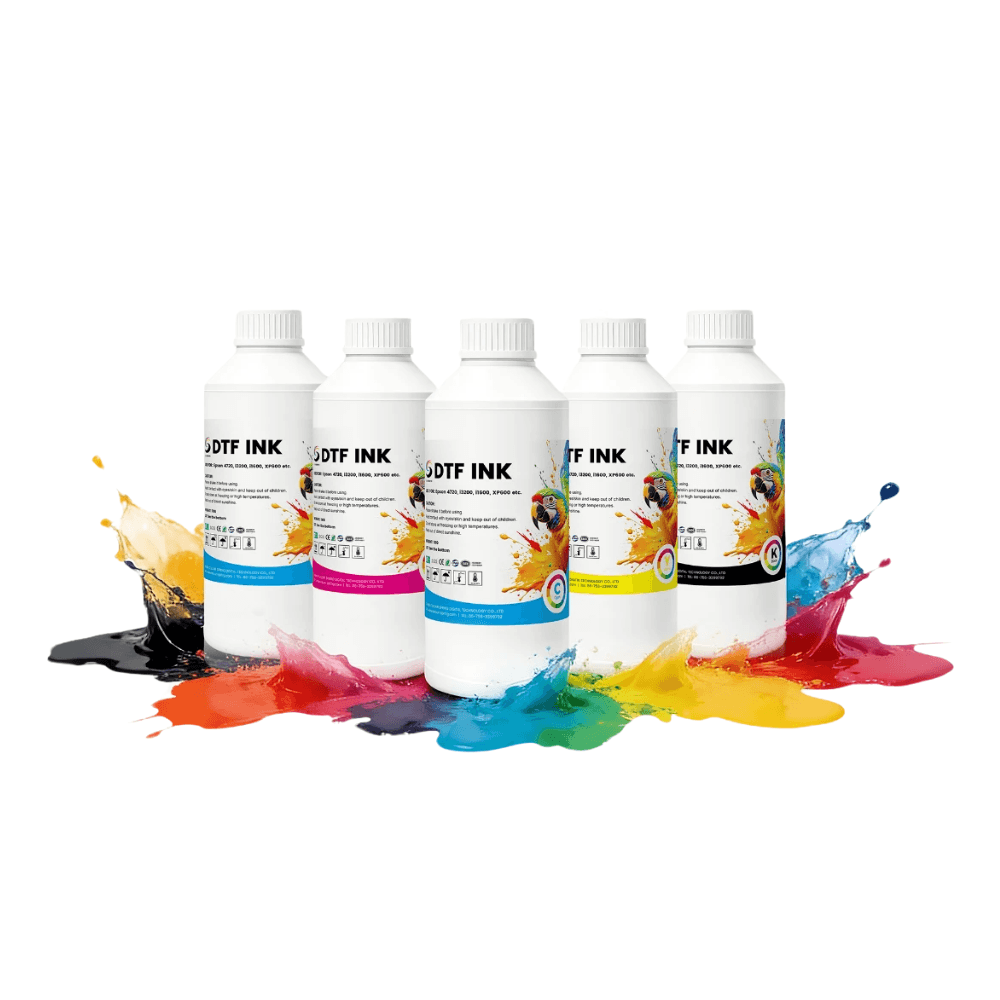
Low Sediment Ink
The ink designed for efficiency, including the low sedimentation white ink, has a long shelf life (12 months) and belongs to the latest generation of DTF ink. The unique low sedimentation ensures that the white pigments in the ink settle much less quickly, resulting in better print consistency and a much reduced risk of pigment buildup in the printer.
Buy Now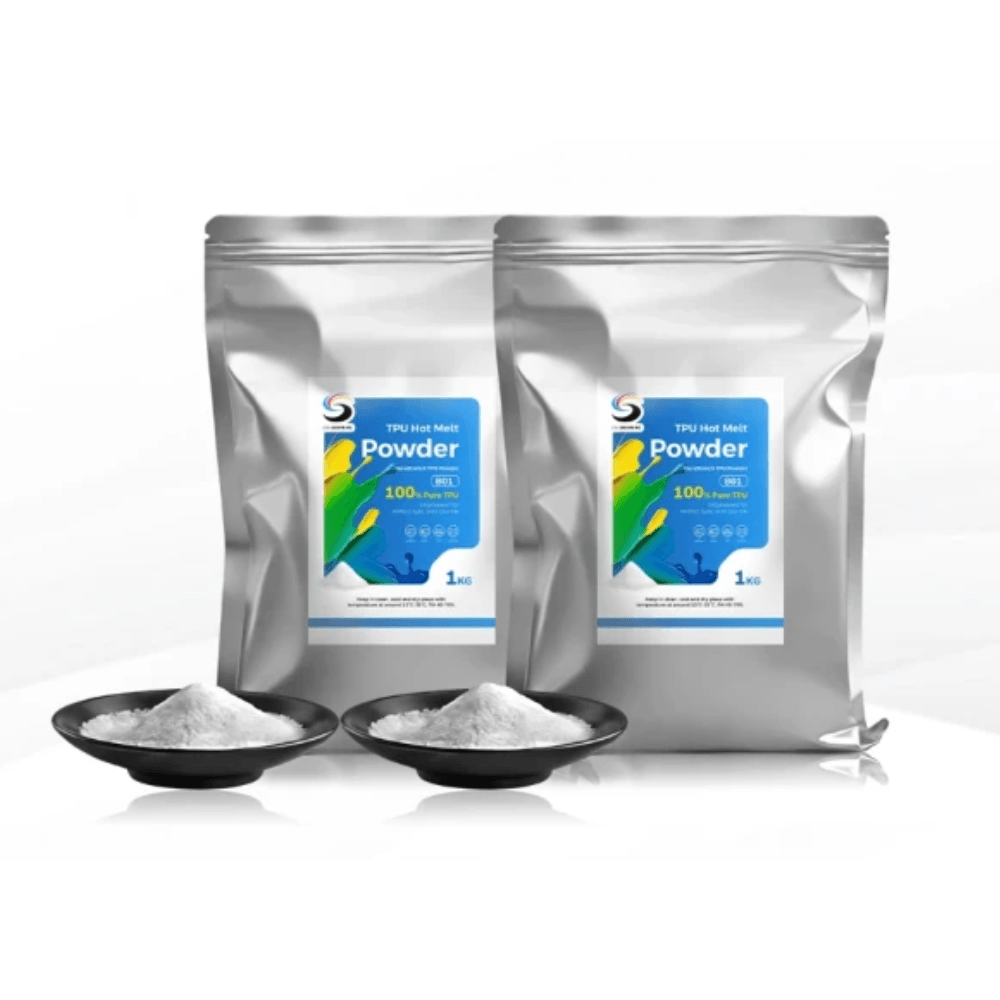
TPU Powder (3D)
This special DTF 3D TPU adhesive powder is designed for seamless integration with the ink and the film and is applied directly to the print after printing – manually or using an optional automatic powder spreader. Upon exposure to heat, the powder melts and forms a durable bonding bridge that perfectly adheres the print to the textile.
Buy Now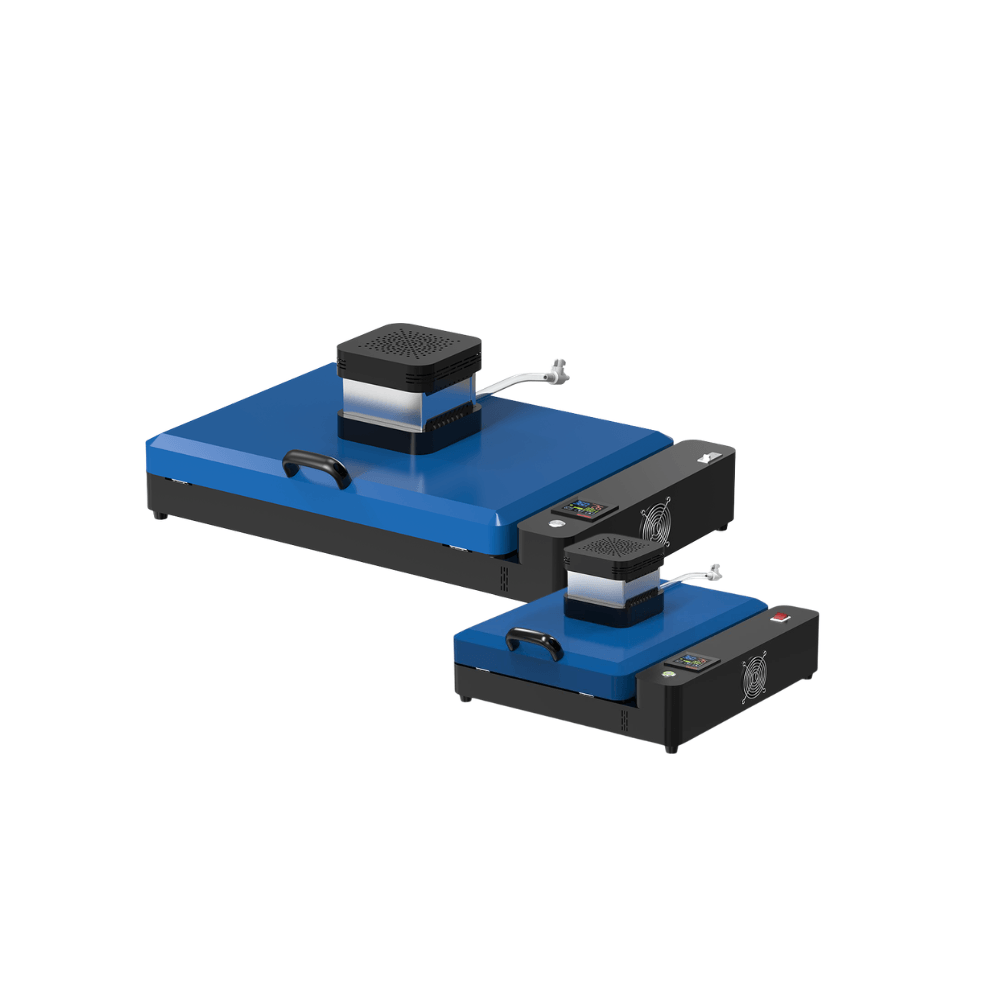
Curing Ovens
These premium DTF ovens features an intuitive touch screen control panel supporting both Fahrenheit and Celsius. For peak efficiency and a clean workspace, it combines powerful bottom alloy heating and top cover insulation foam for superior heat retention, alongside an individual filtering fan that efficiently removes smoke and oil.
Buy NowAdvanced low sediment ink: vibrant colors, ultra-soft feel, made to last.
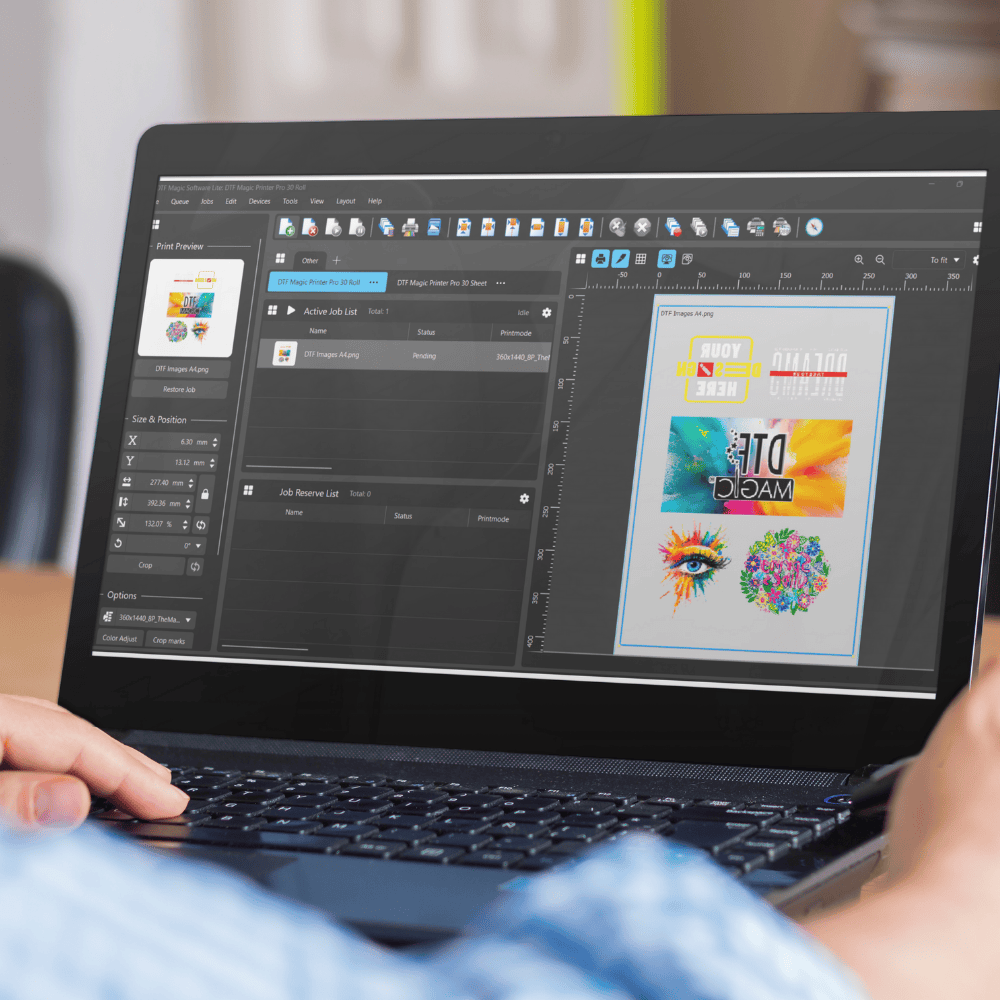
DTF Magic Software Lite By Fiery
More than just RIP software, DTF Magic Software Lite offers high-fidelity color printing and professional job preparation and management tools to streamline your production workflow from start to finish.
Specifications:
- A combination of file preparation tools
- Perfect color management for all your images
- Use production automation for pure speed
Discover the Quality firsthand
Curious about Direct-to-Film transfer quality but want to see and feel it for yourself? We understand that seeing is believing, which is why we invite you to experience the commercial-grade difference with a free DTF Sample Pack.
Packed with a variety of vibrant colors, solid white backings, and ultra-fine details, this kit allows you to put our transfers to the test on your own heat press and garments.
In this Sample Pack you’ll find
Experience the incredible stretchability, soft-hand feel, and wash durability that will keep your customers coming back. Don’t take our word for it—request your free sample pack today, push it to its limits, and see how easy it is to elevate your apparel decoration business.
Order Now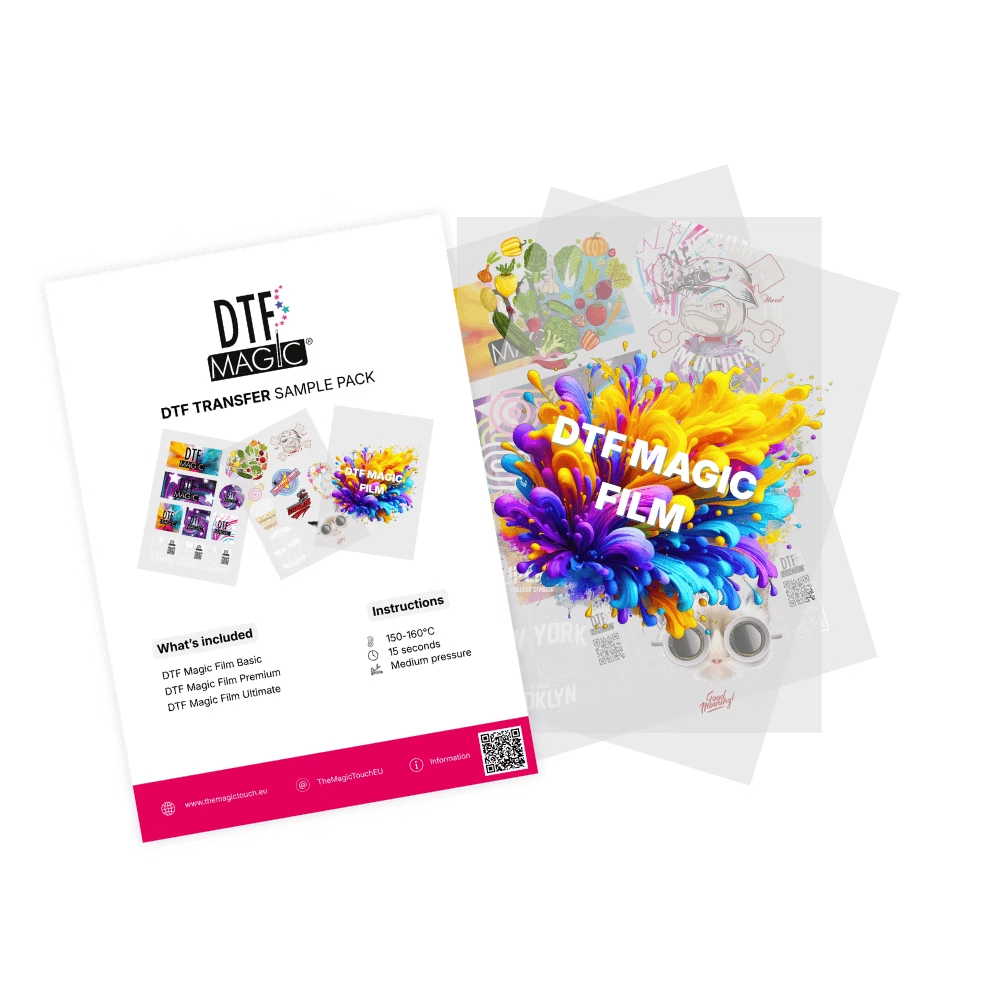
The 28 most common questions about DTF (Direct to Film)
-
What is DTF Printing and How Does It Work?
Direct-to-Film (DTF) printing is a revolutionary digital apparel decoration method where designs are printed directly onto a specialized clear polyethylene terephthalate (PET) film instead of the garment itself.
The process follows a precise mechanical and chemical sequence:
1. Specialized DTF printer: equipped with multi-ink channel configurations (for CMYK and white) and automated white ink circulation systems.
2. RIP software (Raster Image Processor): Controls ink density, white undercoat application, halftone rendering, and color profiling (e.g., Fiery’s DTF Magic software Lite).
3. Powder Curing: The powdered film passes through a curing oven or automated shaker tunnel heated to approximately 110°C to 130°C for 2–3 minutes. This melts the powder into a gel-like, rubberized adhesive layer.
4. Heat Press Transfer: The cured transfer is placed face-down onto the fabric and pressed using a commercial heat press at 140°C to 160°C under medium-to-high pressure for 10–15 seconds.
Peeling: Once cold (or hot, depending on the specific film formulation), the PET carrier sheet is peeled away, leaving the flexible pigment design permanently fused to the fabric fibers. -
How Much Does It Cost to Start a DTF Business?
The total capital required to start a DTF business depends entirely on your targeted production volume and workflow automation. While a lean startup can launch for around $2,100 to $3,500, automated shop systems require a larger upfront investment.
* Tier 1 – Desktop / Entry Kit
10–30 transfers/day
Hobbyists, Side Hustles, Etsy Testers
$2,100 – $4,000* Tier 2 – Mid-Volume Shop Rig
50–300 transfers/day
Local Custom Shops, E-commerce Brands
$5,000 – $15,000* Tier 3 – Industrial Production
500+ transfers/day
Contract Manufacturers, Fulfillment Hubs
$18,000 – $60,000+ -
DTF vs. DTG: Which Printing Method Should I Choose?
The choice between Direct-to-Film (DTF) and Direct-to-Garment (DTG) depends on fabric variety, print placement complexity, and pre-treatment labor.
* Fabric Compatibility: DTG is highly restrictive, requiring high-cotton content (ideally 80–100%) to allow water-based inks to bind to organic fibers. DTF acts via a universal hot-melt adhesive, meaning it bonds perfectly to cotton, polyester, nylon, canvas, leather, and blends with zero drop-off in quality.
* Pre-treatment Requirements: DTG requires a mandatory, messy pre-treatment chemical spray on dark garments, which must be dried prior to printing. DTF requires absolutely no garment pre-treatment.
* Hand Feel: DTG prints inject ink directly into the fibers, providing an incredibly soft, virtually unnoticeable “hand feel” on light garments. DTF leaves a thin, ultra-flexible polymer film layer on top of the fabric. While highly flexible, it has a distinct, smooth texture.
* Production Speed & Workflow: DTG binds a single machine to a single shirt during the print cycle. DTF allows you to continuously print “gang sheets” (rolls of multiple transfers) that can be stored indefinitely or sold directly as wholesale transfers, freeing your heat press to finish apparel on demand.
-
What Equipment Do I Need to Start DTF Printing?
To set up a fully functional, professional DTF production line, you must source the following hardware and auxiliary items:
1. Dedicated DTF Printer: Equipped with dual-printhead configurations (one for CMYK, one for White) and automated white ink circulation systems.
2. RIP (Raster Image Processor) Software: Controls ink density, white underbase generation, halftoning, and color profiling (e.g., CADlink Digital Factory, AcroRIP).
3. Curing Station: A dedicated DTF drawer oven with temperature controls, or an automated inline powder shaker-dryer tunnel for roll-fed operations.
4. Heavy-Duty Commercial Heat Press: A swing-away or drawer-style heat press capable of providing consistent, calibrated heat up to 160°C and heavy manual or pneumatic pressure.
5. Fume Extractor / Air Purifier: A robust filtration unit equipped with activated carbon and HEPA filters to handle gas byproducts from melted TPU powder.
6. Consumables Starter Pack: Matte or glossy PET transfer film rolls/sheets, DTF-specific textile pigment inks, and premium TPU hot-melt adhesive powder. -
5. How to Choose the Best DTF Printer for Your Business?
When vetting a DTF equipment manufacturer or local distributor, prioritize mechanical specifications and support over low sticker prices. Focus on these four pillars:
1. Industrial-grade printhead: Avoid older, converted desktop models. Choose purpose-designed machines with clear ink channel separation that utilize stable architectures, such as the Epson XP600 (for start-ups), the Epson i1600 (for mid-level scaling), or the robust Epson i3200 (for industrial companies).
2. White Ink Mitigation Systems: White DTF ink settles rapidly due to heavy titanium dioxide particles. Your chosen machine must possess automated white ink agitation paddles in the tank and a continuous recirculation pump through the dampeners to prevent printhead clogging.
3. Localized Technical Support: Hardware down-time is the fastest way to lose money. Select a supplier that provides accessible local parts replacement, detailed English video documentation, and real-time technician support via chat or phone.
4. Media Width matching Output Needs: 30cm (12–13 inch A3+) desktop systems are perfect for standalone t-shirts, left-chest logos, and hoodies. 60cm (24-inch) roll systems are required if you plan to print large-scale commercial gang sheets or fulfill wholesale orders efficiently. -
Can You Make Money with a DTF Printing Side Hustle?
Yes. A DTF side hustle is highly profitable because it features an exceptionally low cost of goods sold (COGS) balanced against strong retail demand for custom goods.
The primary driver of profitability is production speed and minimal labor. Because you do not waste hours coating screens or weeding vinyl, you can operate a high-margin business in your spare time, using a small home footprint like a garage or spare room. Breaking even on an entry-level desktop investment typically requires fewer than 275 to 300 custom t-shirt sales.
-
DTF Printing on Cotton vs. Polyester: What’s the Difference?
Because the polyurethane powder acts as an intermediate binder, DTF adheres perfectly to both cotton and polyester – but the chemical behavior during pressing differs.
[DTF Transfer Layer] ➔ [Polyurethane Hot-Melt Gel] ➔ [Fabric Fibers (Cotton or Poly)]
On 100% cotton: Cotton fibers absorb the melted glue neatly. Cotton can withstand high temperatures without scorching, making it very forgiving. You can safely press cotton for 12–15 seconds at 150°C to 160°C.
On 100% polyester: Polyester is heat-sensitive and prone to dye migration (where the dyes in the synthetic fabric heat up, turn into gas, and migrate up into your white ink layer, causing white prints to turn pink or gray). To prevent this, polyester must be pressed at the lowest possible temperature (130°C to 140°C). -
How to Start Selling DTF Transfers Online?
Fulfilling orders for “Ready-to-Press” DTF transfers is one of the highest-margin models in modern e-commerce. Rather than selling finished shirts, you are selling the raw prints to other apparel decorators, schools, and clothing brands.
1. Develop a Gang Sheet Builder: Integrate an online web-to-print tool (such as proprietary software or Shopify apps like SupaDupa or Corjl) directly onto your e-commerce store. This allows customers to upload artwork and drag-and-drop multiple designs onto a 24-inch wide canvas themselves, eliminating your internal graphic design time.
2. Streamline Shipping Packaging: Roll finished gang sheets tightly, secure them with gentle painter’s tape, and ship them inside rigid, moisture-resistant cardboard mailing tubes.
3. Compete on Speed: E-commerce buyers will happily pay a premium for 24-to-48-hour production turnarounds. Use industrial roll printers to run jobs overnight and ship the next morning.
-
What Quality Can I Expect from DTF Prints?
Modern DTF prints offer near-retail-grade quality that easily rivals traditional apparel decoration methods.
1. Visual Resolution: Because it uses digital inkjet technology, DTF prints sharp photographic details, intricate text down to 2-point fonts, gradients, and complex color pathways that are impossible to recreate via screen printing without expensive halftone setups.
2. Elasticity and Stretch: Premium TPU powder provides incredible tensile recovery. When the garment stretches, the print stretches with it rather than cracking like vinyl or thick plastisol ink.1.
3. Feel on the Body: While thicker than water-based screen printing, a properly executed DTF print using modern fine-grain powder feels soft, lightweight, and completely non-restrictive on the chest. -
Is There Demand for DTF Printing Services?
Demand is expanding rapidly. The global custom apparel sector is moving away from massive bulk commitments toward small-batch agile manufacturing, driven by corporate events, sports teams, and clothing brands.
Market data indicates that over 40% of custom apparel buyers now actively look for short-run or single-piece orders. Traditional screen print shops are facing massive operational friction with low-volume setups, leading them to outsource short-run work directly to DTF service hubs. -
What’s the Difference Between DTF and Screen Printing?
The core distinction lies in setup labor versus production scaling.
* Setup Mechanics: Screen printing requires a lengthy pre-production process: creating digital separations, outputting films, burning designs onto mesh screens using emulsion chemicals, mixing inks, and registering screens onto a physical press. DTF requires zero physical setup—you simply send a digital image file to the printer queue.
* The Tipping Point: For orders under 50–100 pieces containing multi-color designs, DTF is significantly cheaper, faster, and more profitable. For massive, single-color bulk runs of 500+ items, screen printing remains more economical due to low liquid plastisol ink costs and rapid manual printing cycles.
-
How Long Do DTF Transfers Last?
A commercial-grade DTF transfer lasts between 50 to 60 rigorous wash cycles before showing minor degradation or softening, matching or exceeding the lifespan of standard screen prints. To optimize lifespan, instruct customers to wash finished garments inside-out using cold water, avoid chemical bleaches, and tumble-dry on low heat or hang dry.
-
Can DTF Printing Be Done on Dark Fabrics?
Yes, DTF is natively designed to provide exceptional color vibrancy on deep black, navy, and dark charcoal fabrics.
[Top Layer: Vibrant CMYK Graphic]
└── [Bottom Layer: High-Opacity Solid White Underbase]
└── [Fabric: Deep Black / Dark Garment]Because the machine automatically lays down a dense, high-opacity white ink underbase layer over the CMYK layer, the dark color of the garment cannot bleed through or mute the graphic. Colors remain true to your digital file regardless of the background fabric tone.
-
What’s the Minimum Order Quantity for DTF Transfers?
One of DTF’s greatest competitive advantages is that its Minimum Order Quantity (MOQ) is exactly one single print. Because there are no physical screens to create or clean, printing a single custom graphic costs virtually the same per unit as printing a batch of 100, providing incredible flexibility to your business.
-
How to Price Your DTF Printing Services
Pricing models generally divide into two distinct categories based on whether you sell raw transfers or finished apparel.
Transfer-Only (Gang Sheets) Pricing
Price by the linear meter or linear foot rather than per design. For example, a standard 24-inch wide linear meter typically retails for $20.00 to $35.00 depending on total volume, while costing only $3.50 to $5.00 in raw film, powder, and ink consumables.Finished Apparel Pricing
Retail Price = (Blank Garment Cost + Transfer Material Cost + Labor / Overhead) x Target Markup
Example Single Custom Shirt: Blank shirt ($4.50) + A4 DTF transfer ($0.75) + overhead ($1.00) = $6.25 cost. Selling at a premium retail price of $25.00 nets an exceptional 75% gross profit margin. -
How Much Can You Earn Running a DTF Business?
Income potential scales directly with equipment capacity and your chosen business model.
Part-Time Solo Operator: Utilizing an A3 desktop unit and fulfilling 15–20 small local or Etsy orders daily can generate $3,000 to $6,000 in monthly revenue, translating to roughly $2,000 to $4,000 in net profit given DTF’s high margins.
Full-Scale Commercial Shop: Operating a 24-inch automated dual-head setup running full gang sheets for regional businesses can comfortably process $1,500+ in daily volume, yielding $150,000 to $400,000+ in annual gross revenue.
-
DTF Printing for T-Shirts: A Beginner’s Guide
1. Preheating the garment
5 seconds at 150°C.Place your blank shirt on the bottom plate of the heat press. Press the shirt firmly for 5 seconds. This removes trapped moisture from the environment and smooths out wrinkles in the fabric, creating an optimally smooth surface for the adhesive gel. Do not pre-press polyester T-shirts. These contain hardly any moisture, and pre-pressing promotes unwanted pigment migration (bleeding).
2. Perform the first press pass
12-15 seconds at 150°C.Optionally, cover the foil sheet with a protective layer of TheMagicTouch Release paper. Lower the arm of the heat press and clamp it under medium to high pressure (approx. 45-60 PSI).
3. Cooling & peeling
60 seconds cooling time.Carefully remove the garment from the press. Lay it flat on a table and allow it to cool completely to room temperature. Once it is cold, grasp a corner of the film and pull it off smoothly in alow, continuous diagonal motion. For a hot-peel film, only a few seconds of cooling time is sufficient.
4. Perform the post-treatment press
seconds at 150 °C.Place the T-shirt, stripped of its protective layer, back onto the press. Cover the exposed design with TheMagicTouch Release Paper or, even better, TheMagicTouch T-Seal and press for 5 seconds. This ensures that the print is locked deep into the fabric weave, the feel of the fabric becomes softer, and the plastic sheen disappears.
-
What Design Software Works Best for DTF Printing?
Two software programs are required for your workflow: image design tools and RIP software (raster image processing).
Creating designs: Adobe Illustrator and CorelDRAW are ideal for creating crisp, infinitely scalable vector graphics. For raster designs, photo editing, or digital illustrations, Adobe Photoshop or Procreate work perfectly, provided the images are created at their native resolution of 300 DPI or higher.
RIP optimization software: Good RIP software is essential for professional production. It imports your designs, automatically generates the exact white underlayer, calculates ink consumption costs, and uses color profiles to ensure that your final prints match the colors on your screen perfectly. Use RIP software developed by a reputable provider such as Fiery. DTF Magic Software Lite, for example, was developed by Fiery.
-
Is DTF Printing Environmentally Friendly?
DTF is more eco-conscious than traditional screen printing, though it is not entirely zero-impact.
On the positive side, it generates minimal chemical and water waste—there are no screen emulsions to reclaim, no harsh solvent washes, and ink utilization is highly efficient. On the alternative side, the process relies on consumable PET plastic carrier films and hot-melt polymer powders. To minimize your environmental footprint, source certified OEKO-TEX eco-passport water-based inks and look for suppliers offering recyclable or biodegradable PET backing films.
-
Can You Print Full Color with DTF?
Yes, DTF handles full color profiles seamlessly. Because it uses digital inkjet technology, it blends CMYK color paths together continuously. This allows you to effortlessly reproduce complex photographic portraits, hyper-detailed digital art, metallic gradients, shadow depth, and neon spectrum adjustments that would require days of complex setup on a traditional screen press.
-
What’s the Learning Curve for Operating a DTF Printer?
Operating a commercial DTF setup has a moderate learning curve that typically takes about 1 to 2 weeks of hands-on practice to master.
The software configuration and basic physical application are intuitive. The trickier, more technical aspects lie in learning to manage your local room environment (temperature and relative humidity balancing) and mastering daily printhead cleaning cycles to ensure consistent ink flow.
-
What Ink Do DTF Printers Use?
DTF printers utilize specialized aqueous (water-based) textile pigment inks. These are completely different from standard desktop sublimation inks or eco-solvent sign inks.
They are engineered with unique binding agents and high concentrations of titanium dioxide (in the white ink channels) to create a thick, opaque rubberized backing layer that bonds securely with the hot-melt adhesive powder. -
Can You Print on Blended Fabrics with DTF?
Yes, DTF excels at printing on blended fabrics, including challenging 50/50 cotton-poly blends, tri-blends (cotton/poly/rayon), and spandex. Because the final bond relies on the flexibility of the polyurethane adhesive powder rather than soaking directly into organic fibers, it stretches and gives naturally with synthetic blend weaves without cracking or lifting away.
-
What Size Designs Can DTF Printers Handle?
Maximum print size is limited only by the physical width of your machine’s roll carriage.
On A3+ Desktop Units: Maximum graphic print area tops out around 11.7 x 16.5 inches (A3) or up to 13 inches on continuous sheet feeds.
On 24-inch Commercial Systems: You can print designs up to 22 to 23 inches wide by virtually any length imaginable. This allows you to output massive 30-foot gang sheets filled with oversized back graphics, sleeve prints, and pant-leg designs in a single production run. -
Is DTF Printing More Affordable Than Embroidery?
Yes, DTF is significantly more affordable than custom embroidery for multi-color or complex designs.
Setup Costs: Embroidery requires a skilled technician to manually “digitize” a design, mapping out every single stitch path, which creates a high upfront setup fee. DTF requires zero image digitization.
Production Costs: Embroidery costs scale directly with total stitch count—a large, dense logo on the back of a jacket can take 45 minutes of machine time and a lot of thread. DTF prints that same large graphic in less than a minute for a fraction of the cost, making it the clear choice for fast, cost-effective scaling. -
Can DTF Transfers Be Used on Hats and Caps?
Yes, DTF transfers work beautifully on hats, caps, beanies, and visors. Because hats have curved surfaces, you cannot use a standard flat-platen heat press. Instead, you need a dedicated cap heat press equipped with a curved lower anvil and a matching curved upper heating element. This ensures even heat and solid pressure across the entire front panel of the hat, locking the transfer cleanly onto structured six-panel caps or mesh trucker hats.
-
What’s the Fastest Turnaround Time for DTF Orders?
Because DTF eliminates the lengthy pre-production setups required by traditional printing, a professional shop can easily offer same-day production or a guaranteed 24-hour turnaround time. A digital file can be received, nested onto a gang sheet, printed, powdered, cured, and packaged for shipping in under an hour.
 4.8
4.8